Recurring backups make toilets unusable, while sewer odors may spread through the home. Wet areas in the yard point to a damaged underground line.
Many homeowners picture excavation equipment cutting through landscaping or concrete at the mere mention of "sewer repair." Traditional digging still provides the right solution in some cases, but trenchless methods repair certain pipes through smaller access points.
This guide explains the benefits and the limitations of trenchless sewer line repair so you understand which approach may fit your home.
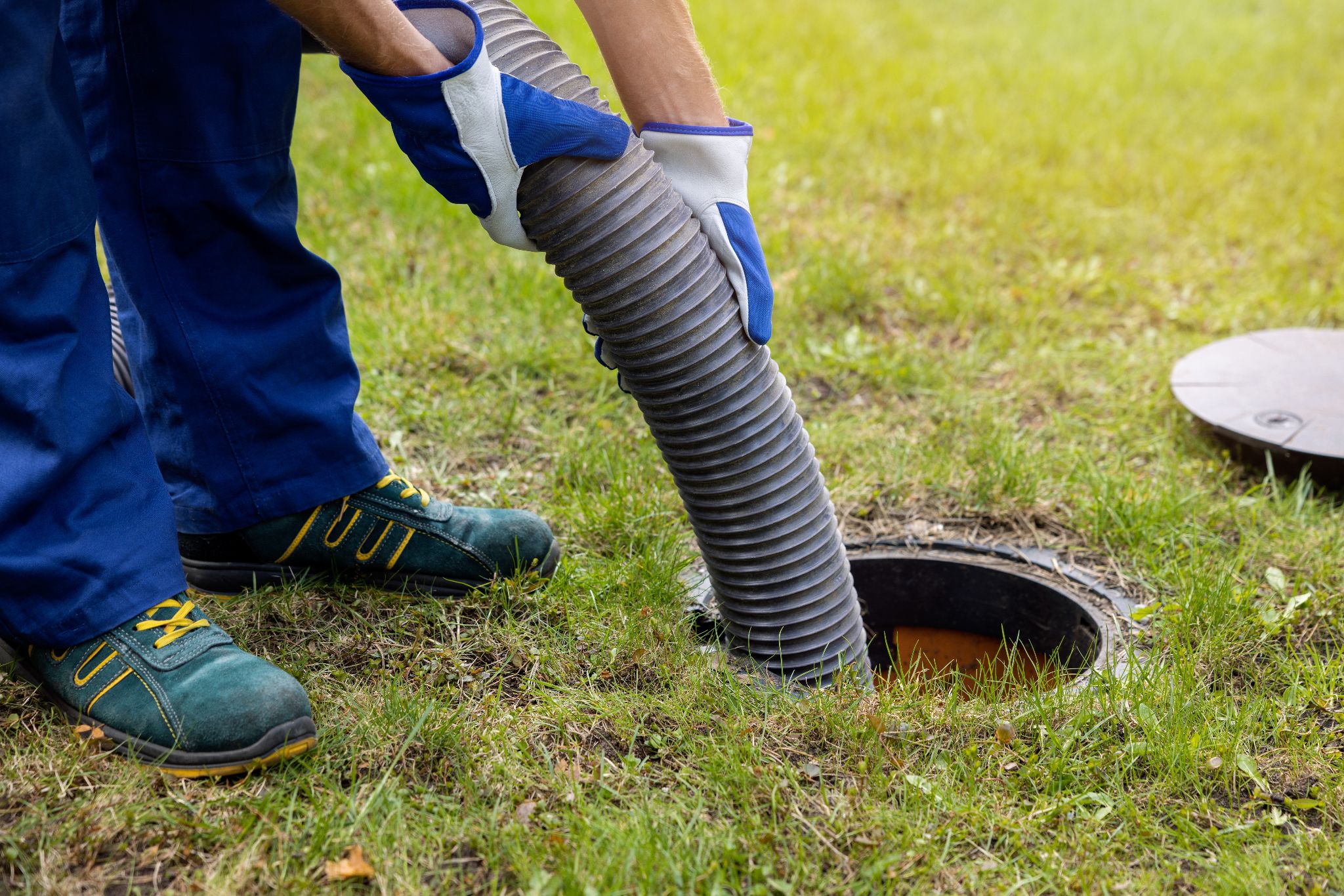
Trenchless sewer line repair restores or replaces an underground pipe without digging a continuous trench from one end to the other. The plumber usually reaches the line through an existing cleanout or a small access point.
The word “trenchless” sounds like the work requires no digging. Some projects still need small access pits, but crews avoid opening most of the property.
Pipe lining creates a new surface inside the existing pipe. Pipe bursting breaks apart the old line while pulling a replacement through the same path. A plumber inspects the line before recommending either method.
Many Utah sewer lines run beneath driveways or patios. Others pass through established landscaping.
Traditional sewer repair requires excavation along a large section of pipe. The homeowner may then need concrete replacement or yard restoration.
Smaller access points preserve more of the property. Site conditions still affect the recommendation, so a plumber must confirm that the method will correct the problem rather than simply avoid digging.
Pipe lining places a flexible resin-coated liner inside the damaged pipe. The crew positions the liner and allows it to cure. Once it hardens, it creates a new interior surface.
This method may work for cracks or leaking joints. It also seals certain root entry points after the crew removes the roots.
The original pipe needs sufficient structural integrity to support the liner. A severely collapsed section may not provide the shape the material needs.
Pipe bursting uses a bursting head to break apart the old pipe. The equipment simultaneously pulls a new pipe through the existing path.
A plumber may recommend this method when the old line has more extensive damage. It replaces the full pipe rather than creating a new surface inside it.
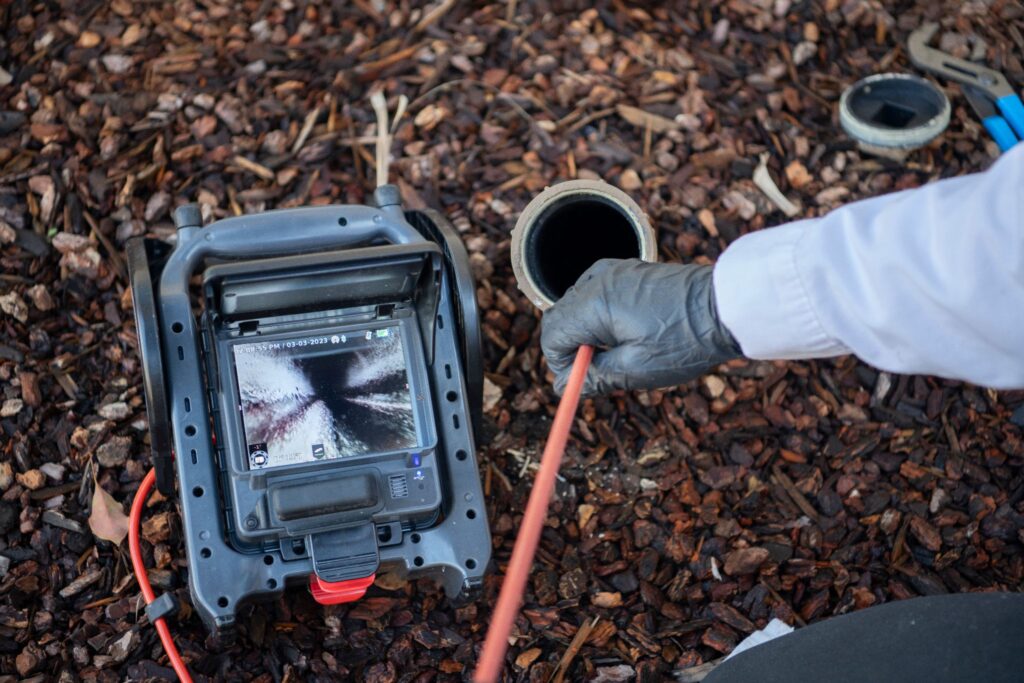
Camera findings reveal what the pipe supports. They also show whether a clogged sewer line repair involves only a blockage or a deeper structural problem.
Homeowners often consider trenchless sewer line repair because it limits disruption around the property.
Trenchless work offers real advantages, but homeowners still need to consider a few limitations.
A plumber may recommend excavation when trenchless work can’t correct the actual problem.
The best sewer repair method protects the property while fixing the source of the problem. Avoiding excavation won’t help when the chosen repair leaves the original issue in place.
A recurring clog doesn’t always mean the pipe needs replacement. Grease buildup restricts flow. Roots may also enter through a damaged joint and catch debris.
A plumber may begin with professional cleaning:
Cleaning restores flow, while structural work addresses damage to the pipe. A clogged sewer line repair may involve both steps when roots or buildup hide a crack.
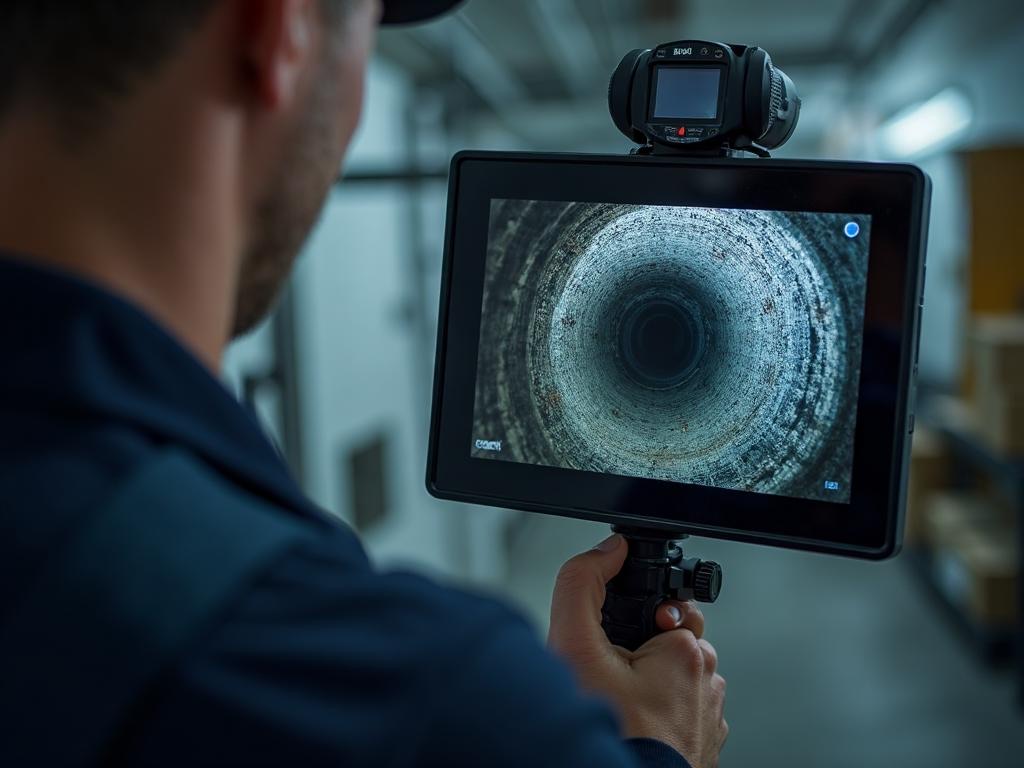
A camera inspection after cleaning gives the plumber a clearer view. The footage may show that the pipe remains structurally sound. It may instead reveal damage that requires repair.
Reliable clogged sewer line repair starts with identifying whether the problem is due to buildup or a damaged pipe.
A plumber uses several steps to determine whether trenchless repair is appropriate for the line's condition.
Ask to see the footage and have the plumber explain the findings. A clear review helps you understand why one repair method may work better than another.
The cost of sewer repair depends on the scope of work. Pipe length affects the estimate, while depth changes the equipment and labor needs.
Confirm whether the estimate includes:
Compare complete scopes rather than total prices. Contractors may include different services.
The process begins with inspection and pipe locating. The crew then cleans the line if needed and creates any required access points.
For lining, the crew installs the liner and allows it to cure. For pipe bursting, the team pulls a replacement through the old route.
The plumber inspects the finished work with a camera. Homeowners may need to limit drain use during part of the project.
Trenchless repair offers strong value when the pipe qualifies, and the work helps protect expensive surfaces. Avoiding major excavation may reduce the need to rebuild part of a driveway or restore finished landscaping. Compare the full project cost before deciding.
The service life depends on the repair method and the contractor's installation. Pipe condition also affects long-term performance. Ask the plumber about the expected lifespan, then review the warranty separately so you understand what the contractor actually covers.
Pipe bursting may work for some collapsed sections because it replaces the old line rather than lining the interior. A severe collapse may still prevent the equipment from moving through the existing path. In that case, excavation may give the crew the access needed to rebuild the line correctly.
No. A liner follows the existing shape and slope of the pipe. It won’t raise a low section where wastewater collects, so the plumber may need to excavate and correct the grade.
Usually not. Some lining projects use an existing cleanout, while others require a small opening for access. Pipe bursting often needs access pits at one or both ends of the damaged section.
A properly installed liner seals cracks or failed joints that allow roots into the pipe. That stops roots from entering through the repaired section. However, roots may still reach the sewer line through damage elsewhere in the system.
No. Some blockages only need professional cleaning to restore flow. Repeated clogs may indicate a damaged pipe or an opening where roots keep entering, so a camera inspection helps confirm if repair is necessary.
Coverage depends on the policy and what caused the sewer line damage. Some policies may cover certain sudden events, while others exclude wear or gradual deterioration. Contact your insurance carrier before approving the work so you understand what may qualify.
Recurring backups or sewer odors may point to a deeper mainline problem. Neighborly Plumbing inspects the pipe and explains what’s causing the issue.
We’ll help you compare cleaning with repair. We also explain whether excavation or trenchless work is appropriate for the pipe’s condition.
Contact Neighborly Plumbing to schedule an inspection and get clear guidance about clogged sewer line repair for your Utah home.