
Fraud Blocker

$1000 off any sewer line or water main replacement/repair (limited time offer)

Neighborly-Plumbing-logo

When aging pipes keep creating new problems

Leaks keep showing up in different places

A pinhole leak may not remain isolated when the rest of the water piping is of similar age and wear. Home repiping addresses the larger system when failures keep moving.

Water pressure or color keeps changing

Corrosion and buildup inside older supply lines restrict flow. A deteriorating metal pipe may also send discolored water to fixtures.

A buried drain or sewer line needs repair

A damaged sewer line does not always require a full trench. Sewer pipe relining may restore a qualifying line from inside after a camera inspection confirms the pipe supports a liner.

Signs your plumbing may need repiping or pipe relining

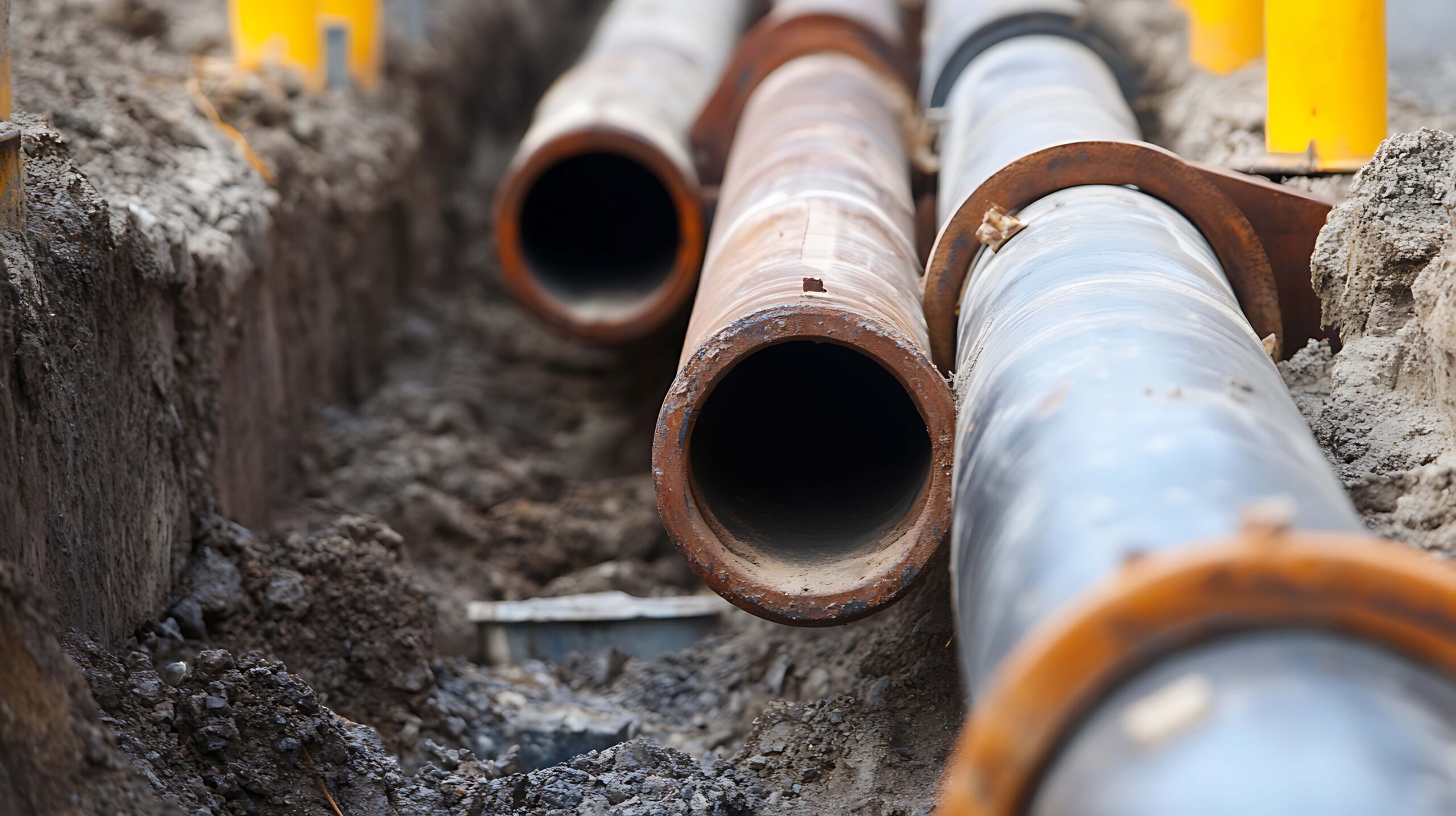
Construction site featuring large pipes laid in a trench, surrounded by dirt and gravel, indicating infrastructure development.

Frequent supply-pipe leaks

Leaks that appear in new sections of the home may point to widespread pipe wear. Whole-house repiping replaces the aging supply system instead of chasing one failure at a time.
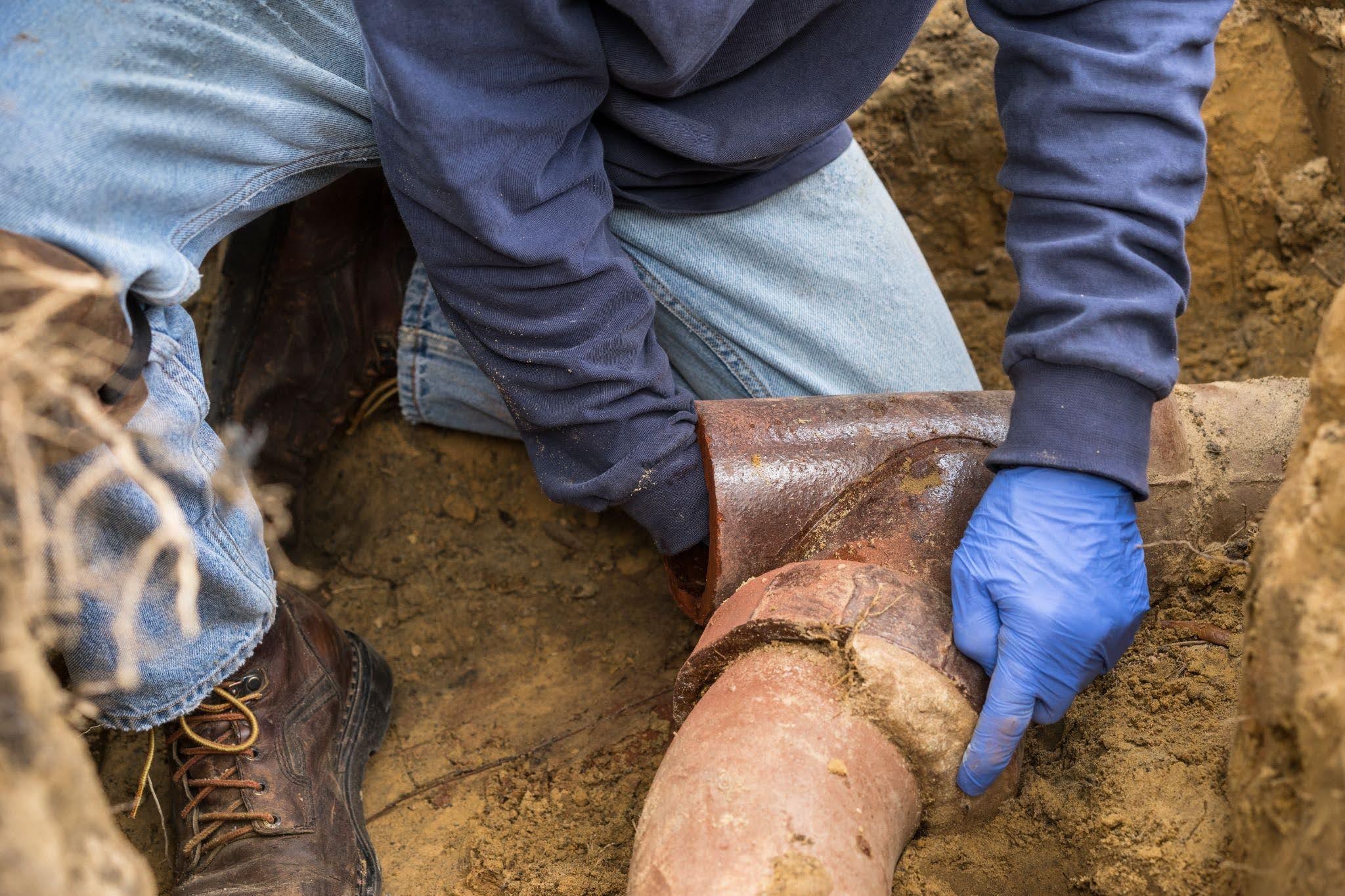
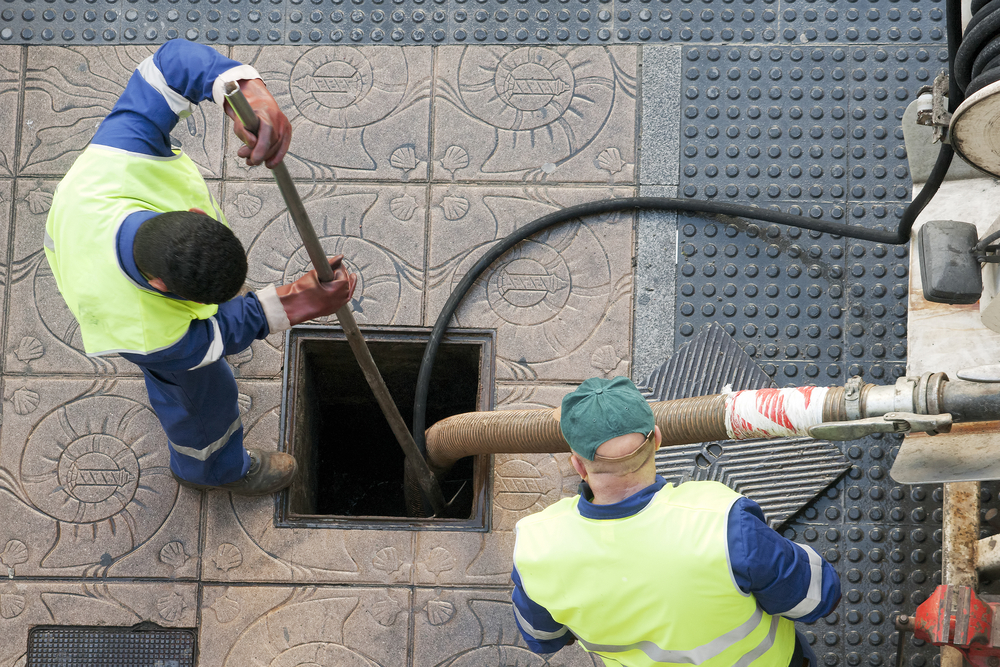
A person wearing a blue shirt and gloves repairs a large, rusty underground pipe in a dirt trench

Older galvanized water lines

Galvanized pipe often loses capacity as corrosion develops inside the line. A home repiping inspection shows whether replacement offers the stronger long-term path.
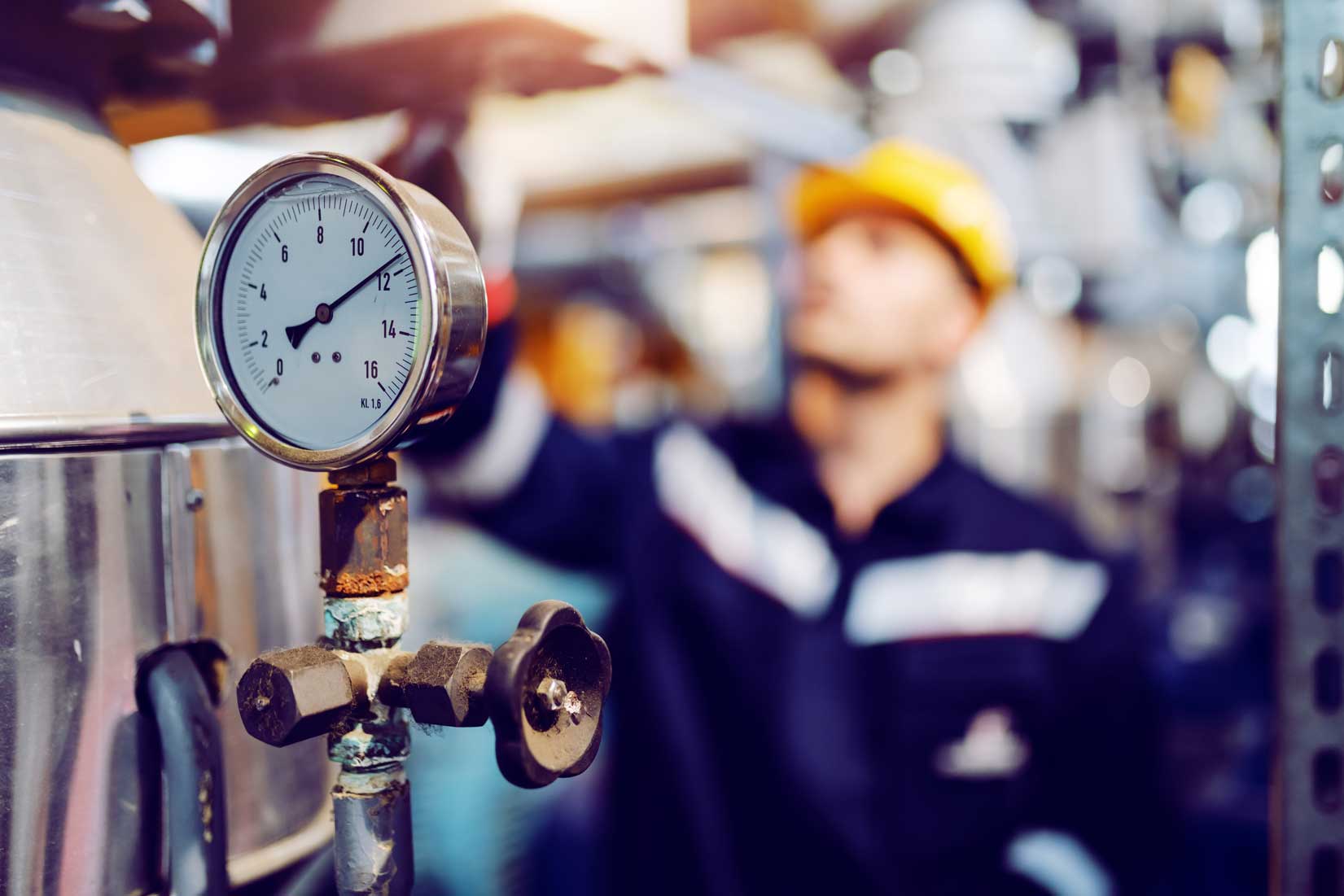
A close-up of a circular pressure gauge on industrial piping, with a blurred technician in a hard hat and uniform inspecting equipment in the background.

Low pressure in several fixtures

Restricted supply piping reduces flow throughout the home. A plumber checks the system and determines whether the old pipe size or interior buildup causes the pressure loss.
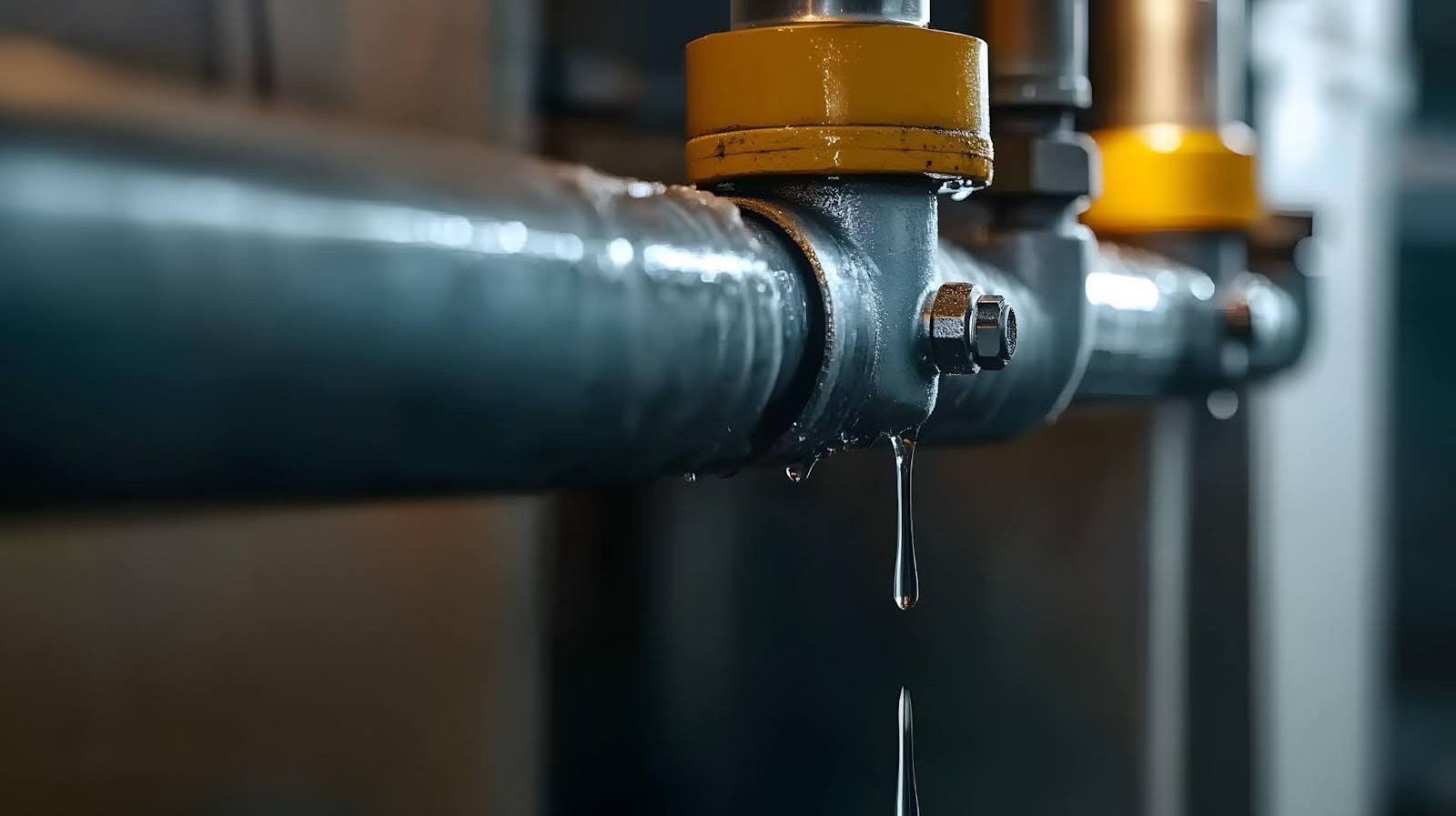
Water drips from a rusty pipe in a dimly lit room creating small puddles on the floor

Discolored water from a metal pipe

Rust-colored water may point to corrosion inside older steel piping. Repiping removes the deteriorated water lines when the condition affects the system.
Sewer Line Cleaning and Repairs

Recurring sewer line problems

Repeated backups after cleaning may point to pipe damage. Sewer pipe relining may seal qualifying cracks and joints when the existing line still holds the shape needed for a liner.
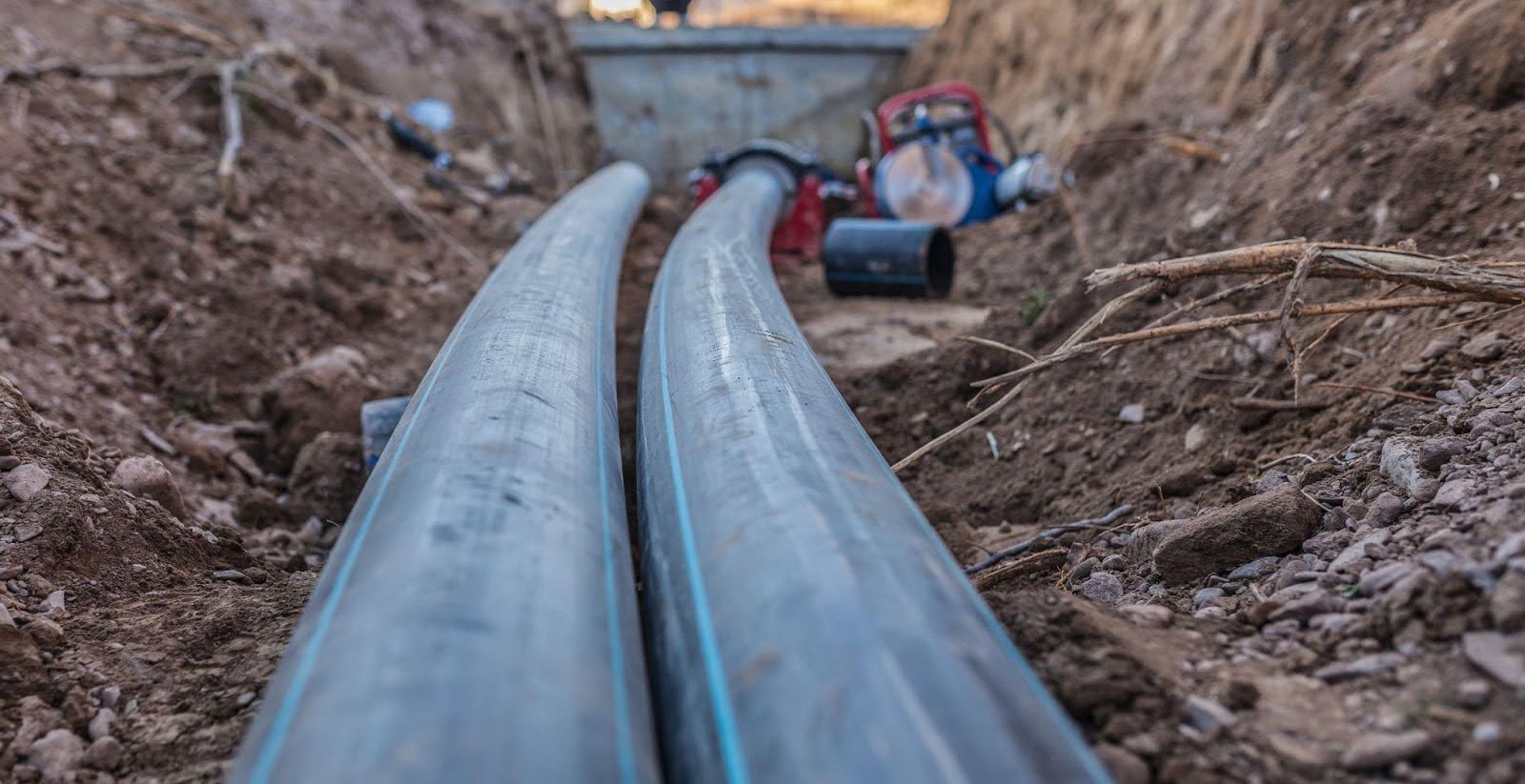
Pipes are positioned in the dirt beside an open trench indicating ongoing construction or utility work

Difficult access around a damaged pipe

Relining may reduce the need for demolition when a qualifying pipe runs beneath finished surfaces or in buried areas. We’ll inspect the route before recommending the method.

How home repiping and pipe relining differ

Home repiping installs new water supply lines through the house. Pipe relining restores a qualifying existing pipe from the inside. The inspection shows which approach fits the pipe condition and the type of plumbing system.

Home repiping

Home Repiping replaces worn water supply piping with new lines. We route the new system to restore dependable water delivery and reduce repeat leaks.
A white line art icon on a black background showing two intersecting pipes with flanged ends, representing plumbing, infrastructure, or connections.

Pipe relining

Pipe Relining keeps the existing pipe in place and creates a new interior surface. This approach may reduce the amount of opening or excavation the project needs.
A white line icon on a black background showing a pipe system with a valve and a circular emblem containing a water drop, representing plumbing.

PEX for water repiping

PEX offers a flexible option for many residential water repipes. Its long runs reduce the number of fittings needed behind walls.
A white icon on a black background showing a pipe system with a central valve and a water drop symbol, representing plumbing or water supply services.

Copper for water repiping

Copper gives homeowners a proven, rigid piping option for water distribution. We’ll compare the installation needs with the home and project scope.
A simple white icon of a cylindrical pipe or tube shown in perspective on a solid black background, representing construction or plumbing materials.

Cured-in-place sewer liners

Sewer Pipe Relining often uses a resin-saturated liner that cures inside the cleaned pipe. The new liner seals qualifying damage along the existing route.

Water pipe lining systems

Water Pipe Relining uses specialized lining systems when the pipe and local requirements support that method. We’ll confirm eligibility before recommending it.

How repiping and pipe relining work

We’ll start with an inspection and identify the sections that need attention. From there, we’ll compare a repipe with a relining option when the pipe qualifies. The project plan will explain access before work begins and show how we’ll restore service after installation.

    Step 1 — Inspect the plumbing system
    We’ll review the leak history and assess water performance when the supply piping raises concerns. For drain or sewer problems, we may use a camera to see the inside of the line and locate damaged sections.
    Step 2 — Choose the right repair path
    We’ll explain whether a targeted repair still makes sense. Whole-House Repiping often addresses widespread supply-pipe deterioration. Pipe Relining may be suitable for a drain or sewer line that still has enough structural integrity to support a liner.
    Step 3 — Plan access and materials
    For a repipe, we’ll map a practical route through the home and choose the new piping material. For relining, we’ll identify the best access point and confirm the section we'll rehabilitate.
    Step 4 — Repipe or prepare the existing line
    During home repiping, we’ll install the new water lines through planned access areas. Before sewer relining, we’ll clean the existing pipe so the liner fits the surface correctly.
    Step 5 — Install the new pipe or liner
    We’ll connect the new supply piping during a repipe and restore service as the project allows. During Sewer Pipe Relining, we’ll place the liner inside the existing line and cure it in position.
    Step 6 — Test and review the finished work
    We’ll test the repiped water system for dependable operation before closing out the plumbing work. After relining, we’ll verify the repaired section and review the finished project with you.
Request a Water Main Replacement Estimate

Benefits of choosing the right pipe restoration method

Stop repeating supply-pipe leaks

Whole-house repiping replaces aging water lines that keep failing. New piping gives the home a fresh supply system instead of another isolated patch.

Improve water flow through new lines

A properly planned repipe replaces restricted supply piping and supports steadier flow to fixtures throughout the home.

Reduce disruption with relining

Pipe relining works from inside a qualifying line. That approach may reduce the amount of finished surface or yard area the project needs to open.

Restore a qualifying sewer line

A new interior liner seals damaged sections of the sewer pipe while preserving the existing pipe route.

Match the solution to the pipe condition

Inspection keeps the recommendation tied to the actual problem. We’ll use repiping when replacement fits and relining when the existing pipe supports rehabilitation.

Know the project scope upfront

Your estimate will explain the planned method and show where we’ll need access. We’ll also explain the plumbing work that the project price covers.

Why does an experienced plumber need to evaluate the pipe first

A whole-home repipe changes the water distribution system inside your home. The plumber needs to size the new lines correctly and make secure fixture connections. Pipe relining also requires careful preparation because the existing pipe must support the chosen lining system. We’ll inspect the plumbing before we recommend either service.

Neighborly Plumbing handles the plumbing work from diagnosis through final testing and explains the project scope before installation. We’ll show you where repiping needs access or where relining will enter the pipe. We’ll also review the estimate with you before the work begins.
Local Utah team • Licensed and experienced plumbers • Upfront pricing before work begins
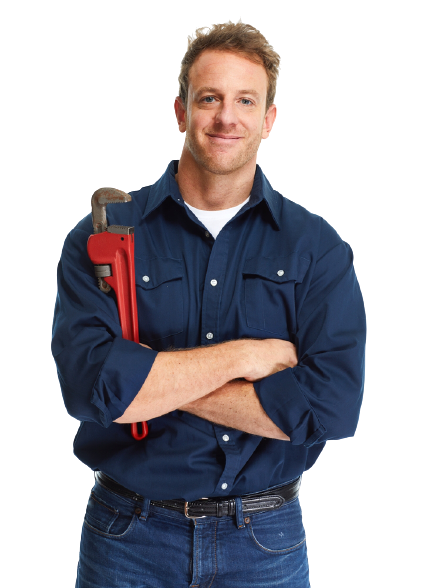
Professional Utah plumber with red pipe wrench offering residential plumbing services

What homeowners say about Neighborly Plumbing

Don't take our word for it. Here's what our customers have to say.

Home repiping and pipe relining FAQ

Whole House Repiping replaces the water supply piping throughout the home. A plumber routes new lines to the fixtures and removes or abandons the old supply piping as required by the project. Home Repiping often makes sense when leaks keep appearing, or an older pipe restricts water flow.
Frequent leaks often point to wider pipe deterioration when they appear in different sections of the home. Low pressure throughout the house also signals aging supply lines. A repiping inspection helps confirm whether a localized repair still makes sense or if the system needs replacement.
Whole-house repiping costs depend on the home and the amount of piping the project requires. Access affects labor as well. The selected material also changes the estimate. We’ll inspect the plumbing and provide a project price based on the actual repipe plan.
The schedule depends on the size of the plumbing system and the access route through the home. The amount of finish work also affects timing. After the inspection, we’ll explain the expected work window and how water service will work during the project.
Repiping usually needs targeted access so the plumber can route new water lines to fixtures. We plan those openings around the home whenever possible. The exact amount of access depends on the layout and the path available for the new piping.
Pipe Relining repairs a qualifying pipe from the inside. For sewer work, we clean the line and place a liner along the damaged section. The liner cures in place, creating a new interior surface within the existing pipe.
Sewer Pipe Relining may reduce the total project cost when excavation would require major surface restoration. The comparison depends on the pipe condition and the length of the repair. We’ll inspect the line and compare the practical options before you choose a method.
The service life depends on the lining system and the condition of the host pipe. Proper preparation also affects long-term performance. We’ll explain the expected service life for the specific liner before you approve the project.
A liner needs a usable pipe path so the installation can reach the damaged section and cure in the correct shape. A severe collapse often blocks that path. In that situation, the plumber may need to replace the failed section before the line functions properly.
Some plumbing systems may qualify for Water Pipe Relining. A plumber first checks the pipe material and its condition. Local requirements also affect the option. When a line doesn’t fit the system, Home Repiping gives the home a new water supply network.

Mission

To serve our Wasatch neighbors in their plumbing, drain, and renovation needs. We are committed to giving you a reliable, fair, and ethical service with our local, experienced team. We strive to ensure that once our services are done, you will never need to call another plumber again.
crossmenu linkedin facebook pinterest youtube rss twitter instagram facebook-blank rss-blank linkedin-blank pinterest youtube twitter instagram