
Fraud Blocker

$1000 off any sewer line or water main replacement/repair (limited time offer)

Neighborly-Plumbing-logo

When drain and sewer problems need a closer look

The same drain problem keeps returning

A clog that returns after snaking may come from a deeper blockage. Pipe damage also keeps the same problem recurring. A camera inspection shows us what sits farther down the line.

Several fixtures are draining slowly

Slow drainage in more than one fixture may point to a restriction in the main drain or sewer line. We inspect the pipe to find where the flow starts to break down.

You need answers before the repair starts

Digging into a sewer line without confirming the problem creates unnecessary guesswork. Camera footage helps us identify the damaged area, so we recommend a more targeted repair plan.

Signs you may need a pipe inspection camera

Drain cleaning in Kearns, Utah

Recurring drain clogs

If the same drain keeps clogging after basic cleaning, something further down the line may be restricting flow. A camera helps us look beyond the immediate blockage.
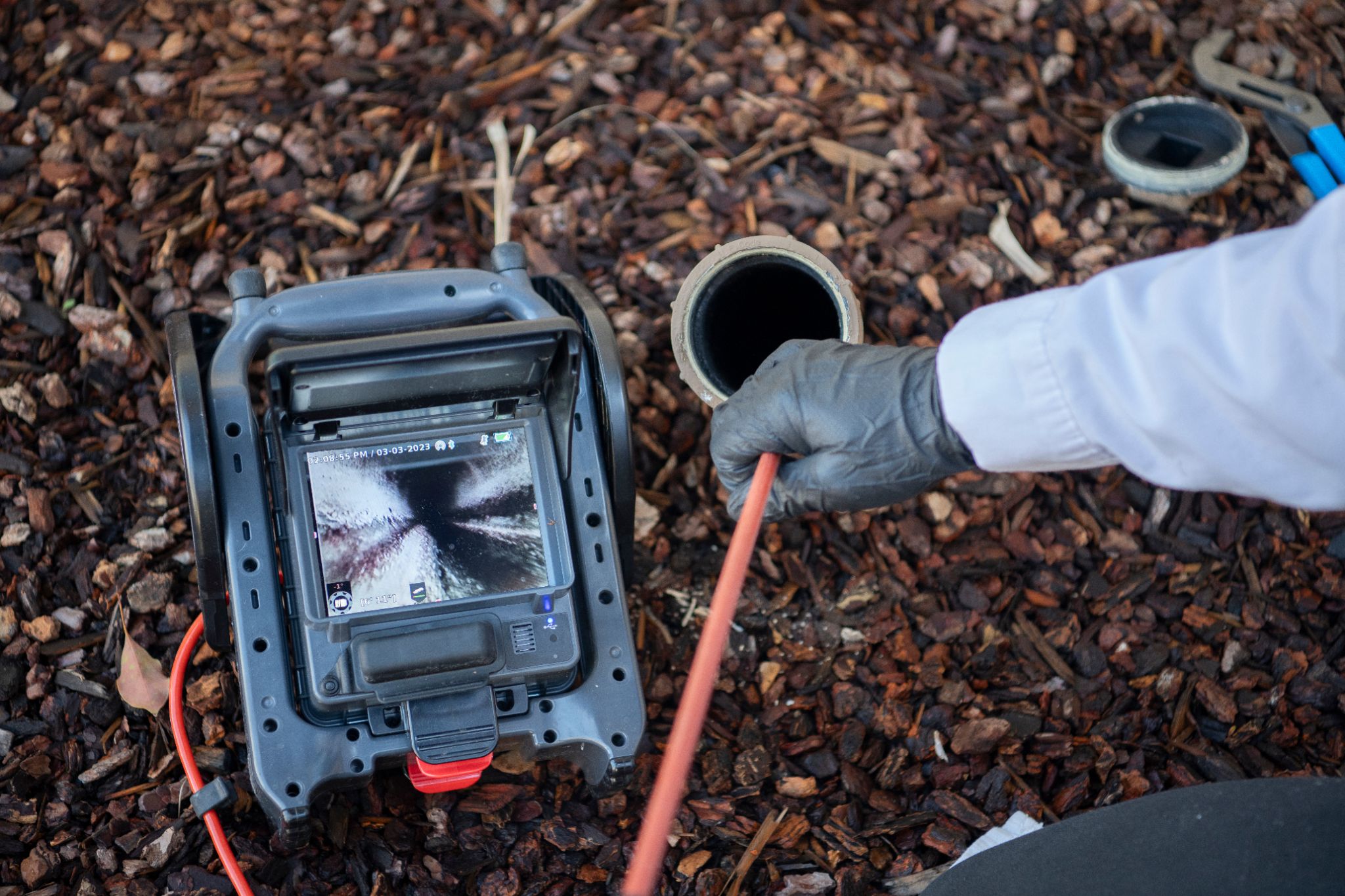
Plumber feeding an inspection camera into an outdoor drain pipe next to a video monitor.

Multiple slow drains

Slow drains throughout the home often point to a mainline problem. We use the camera to see where wastewater begins to encounter resistance.
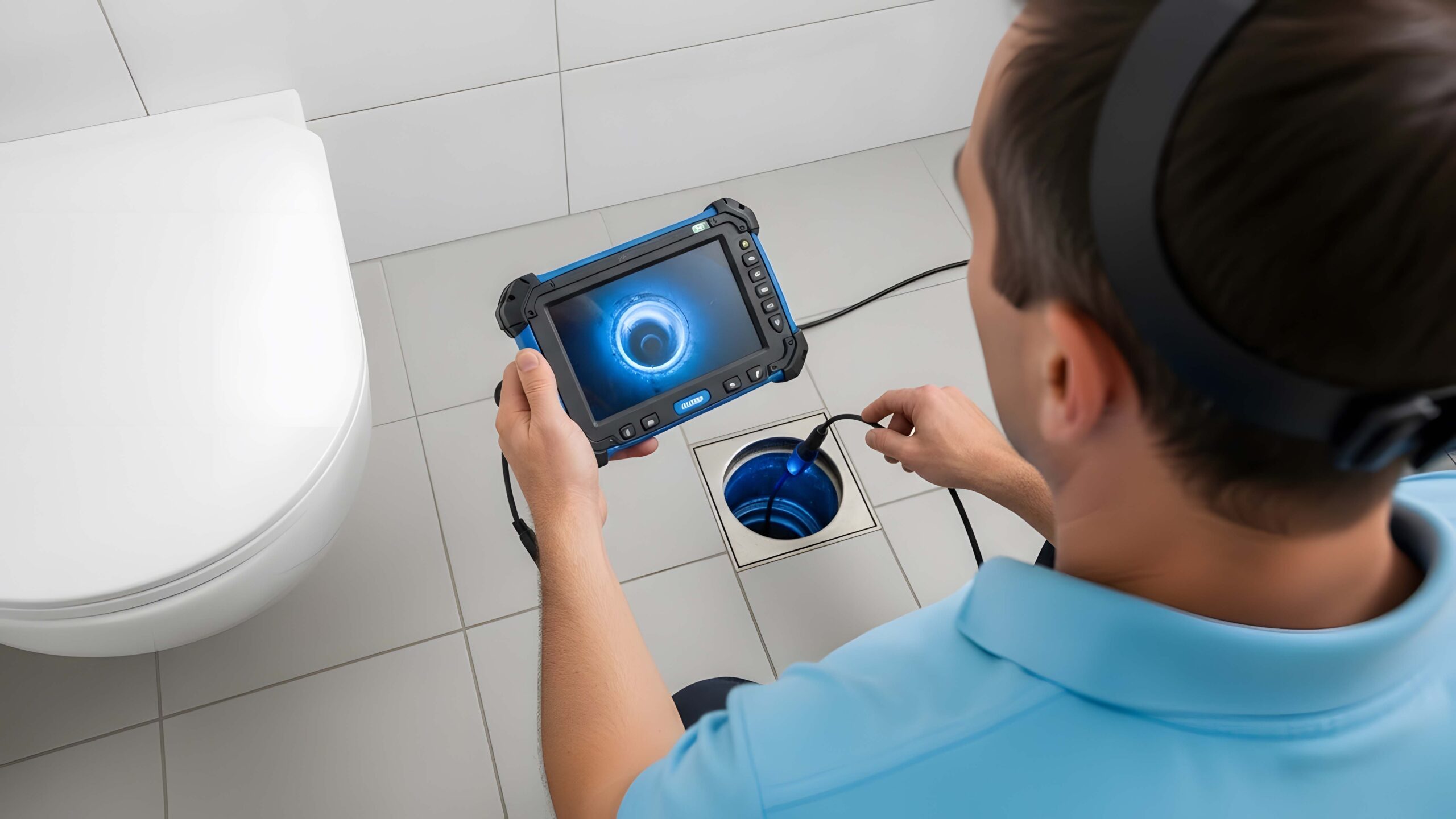
A technician using a video inspection camera to examine plumbing in a bathroom, focusing on the toilet and drain.

Gurgling from nearby fixtures

A toilet that gurgles when another fixture drains may signal restricted flow in the shared line. Video inspection helps us check the pipe before we recommend deeper cleaning.
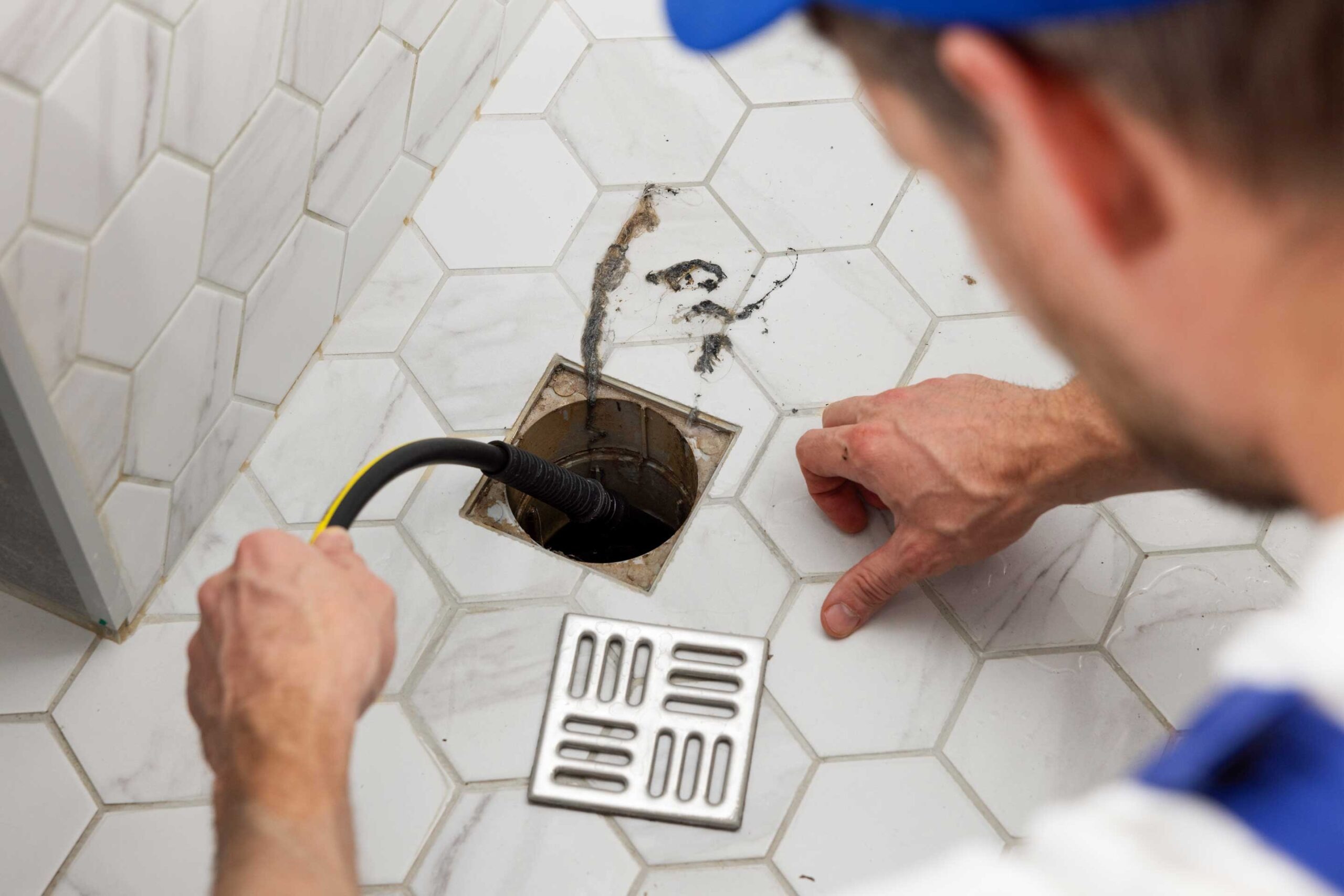
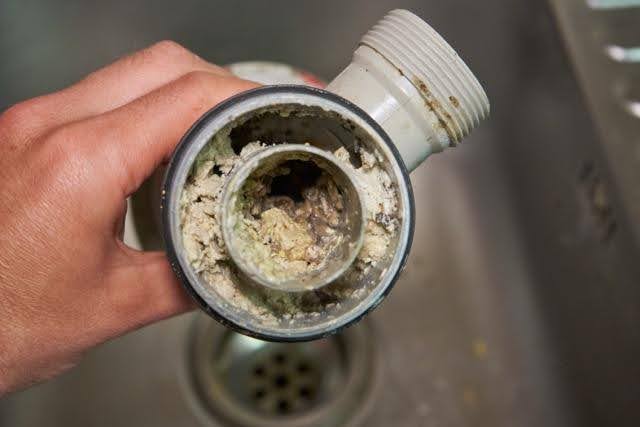
A hand grips a dirty drain revealing layers of dirt and buildup on its surface

Sewer odors without a clear source

Persistent sewer odors may come from a drain problem that you can’t see from the fixture. We inspect accessible piping for visible damage or buildup.
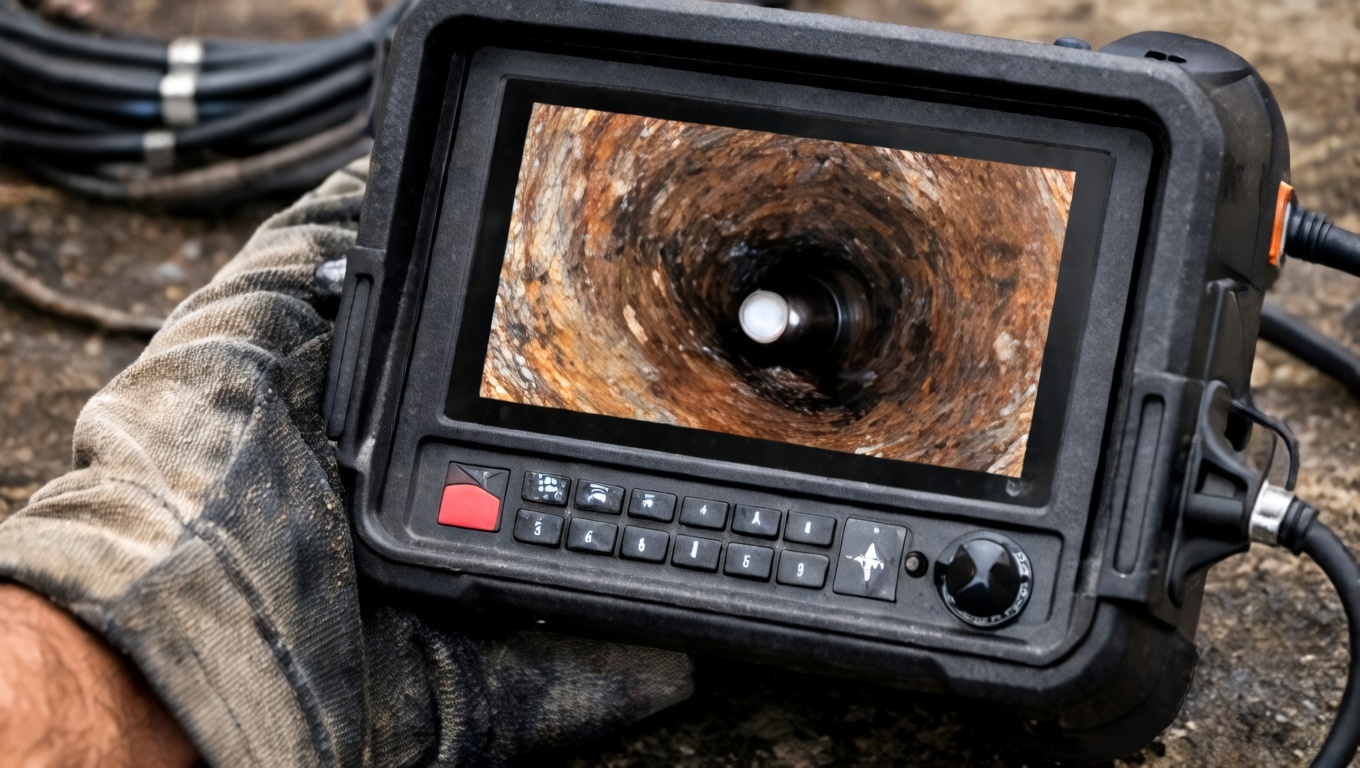
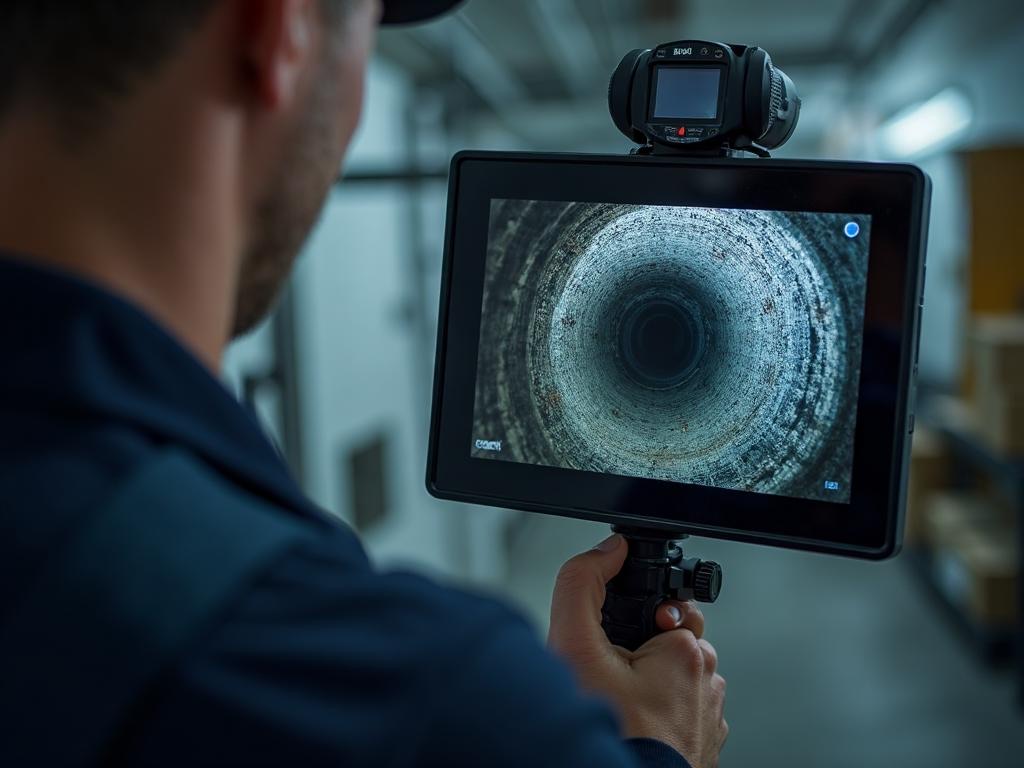
A gloved hand holds a rugged portable monitor displaying a real-time endoscopic camera feed from deep inside a dark, earthy tunnel or pipe.

An older sewer line

Older sewer lines may develop rough interiors or failing joints over time. A camera inspection gives you a clearer look at the line’s current condition.
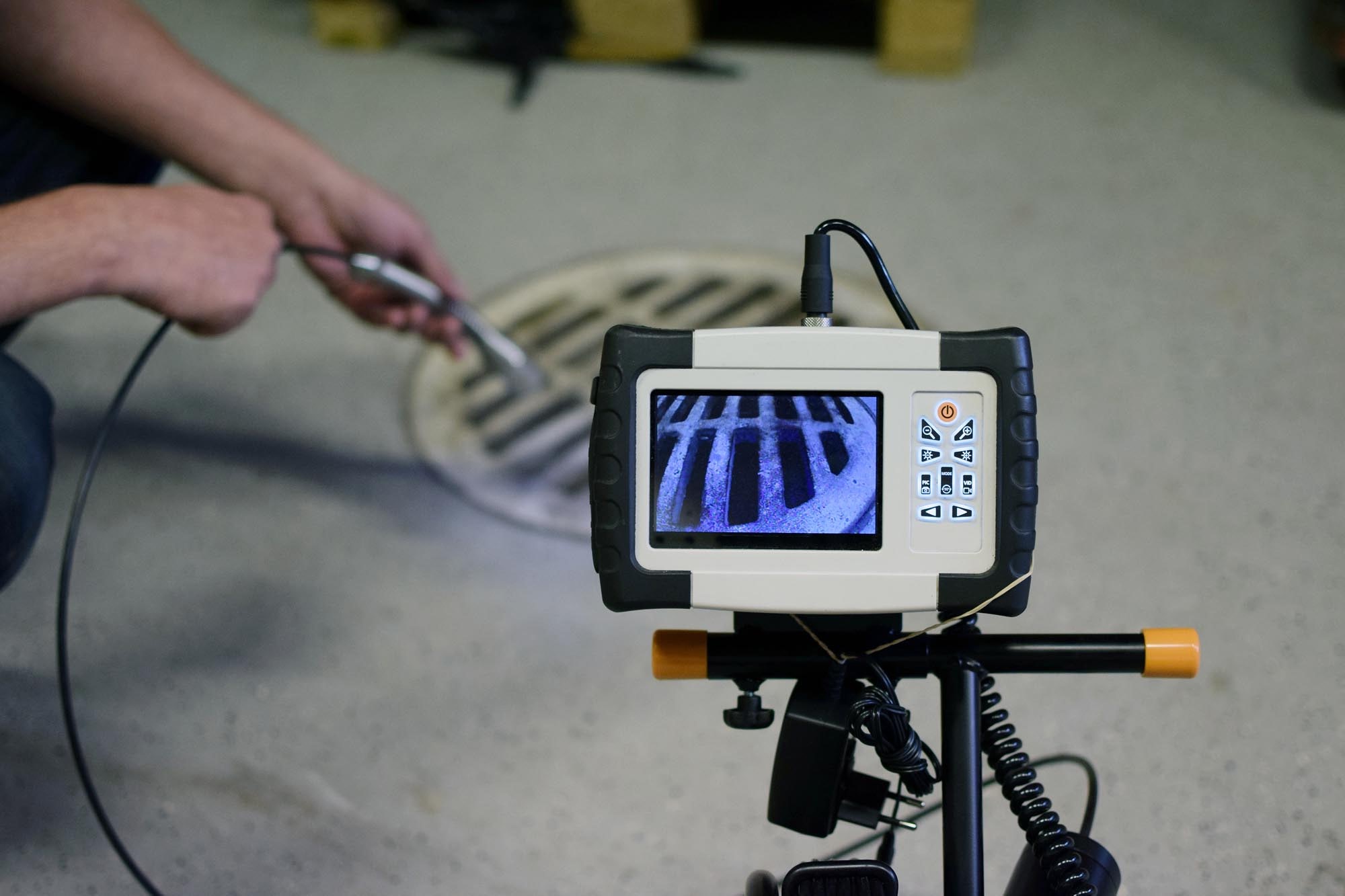
A technician uses a video inspection camera to examine a drain, showcasing the camera's display and the drain's interior.

A repair estimate needs confirmation

If a sewer repair may require excavation, camera footage helps confirm where the visible problem sits. That information supports a more focused repair plan.

What we look for inside the pipe

A camera gives us a real-time view inside accessible drain and sewer piping. We closely review the footage and connect what we see to the symptoms you’ve noticed at home.

A blockage in the line

Older metal water lines may corrode from the inside or outside until the pipe wall becomes thin enough to leak.
A white line art icon of a tree on a black background, showing a rounded canopy above ground and a symmetrical, intricate root system below ground.

Tree roots entering the pipe

Soil movement can shift a buried water line and strain its connections. Older pipes with existing weak spots face a higher risk of cracking or leaking under that pressure.
A white icon on a black background showing a cracked horizontal capsule or pill shape with a single liquid droplet falling from the center crack.

Cracks or broken sections

Roots usually don't enter a pressurized water line the way they enter a sewer, but growing roots can push against or shift a vulnerable buried pipe.
A white icon on a black background showing a leaking pipe with a triangular warning sign containing an exclamation mark above the dripping water.

Separated or offset joints

Pipe sections shift until the connection no longer lines up correctly. The camera shows the change in alignment and helps us see whether debris catches at that point.
A white icon on a black background showing a pipe valve with a crack in the pipe and a single liquid drop leaking out, representing a plumbing leak.

Low spots that hold water

A sag in the sewer line may hold water after the rest of the pipe drains. The camera shows standing water that points to a low section of the line.

Buildup along the pipe wall

Grease or mineral deposits may narrow the path through the pipe. A camera helps us see whether the line needs a stronger cleaning method before the flow improves.

How a pipe inspection camera service works

We’ll start by choosing the best access point for the line. Then we’ll move the camera through the pipe while we watch the footage in real time. The condition of the line determines how far the camera travels. A heavy blockage may require cleaning before we inspect the section beyond it.

    Step 1 — Review the symptoms
    We’ll ask what you’ve noticed and when the problem occurs. Recurring backups often give us useful clues about where to start. We’ll also identify which drain line needs inspection.
    Step 2 — Choose the camera access point
    We’ll look for an accessible cleanout that gives the camera a clear path into the line. If the home doesn’t have a usable cleanout, we’ll explain another practical access option before we begin.
    Step 3 — Guide the camera through the pipe
    We’ll feed the waterproof camera through the drain or sewer line and watch the video as it moves. We’ll slow down near problem areas so we get a clearer look at the pipe wall.
    Step 4 — Identify visible pipe problems
    We’ll look for signs that explain the drainage problem. The footage may show a clog or a damaged section. It may also reveal a joint that has shifted out of alignment.
    Step 5 — Locate the problem area
    When the equipment allows, we use the camera head’s transmitter to help locate a problem on the surface. That gives us a more useful reference point if the line needs repair.
    Step 6 — Review the footage and the next step
    We’ll explain what we saw and how the finding relates to the symptoms in your home. If the line needs cleaning or repair, we’ll walk you through the option that fits the problem we found.
Schedule a Pipe Camera Inspection

Benefits of a professional pipe camera inspection

Stop guessing about the cause

Video gives us direct information from inside the line. That helps us move past surface symptoms and focus on the part of the pipe that needs attention.

Find where the problem sits

The camera helps us track the distance to a visible problem. When locating equipment applies, we also mark the area on the surface before repair planning begins.

Choose the right cleaning method

Camera footage shows whether a blockage is due to buildup or another visible cause. We use that information to recommend a cleaning method that fits the line.

Avoid unnecessary excavation

When a buried sewer line needs repair, we want to know where the visible damage is before anyone digs. Camera inspection helps narrow the repair area and reduce guesswork.

Document the pipe’s condition

Video footage gives you a clearer record of what the plumber found inside the line. That record helps when you compare repair options or review a sewer line before a home purchase.

Plan the next service with clarity

Once we identify the visible problem, we explain the next service and why we recommend it. You’ll know what we found before you decide how to move forward.

Why a plumber should interpret the camera footage

A pipe camera shows the inside of the line, but the footage still needs context. We’ll match what we see to the drainage problem you reported. We’ll also consider how the pipe behaves while water moves through it. That helps us separate a removable blockage from visible structural damage before we recommend service.

Camera inspections also have limits. A heavy blockage prevents the camera from reaching the rest of the line. Standing water may hide part of the pipe wall. We’ll explain what the camera could see and where the view stopped. If we need to clean the line before inspecting further, we’ll tell you before we continue.
Local Utah team • Licensed and experienced plumbers • Clear findings before repair planning
Professional Utah plumber with red pipe wrench offering residential plumbing services

What homeowners say about Neighborly Plumbing

Don't take our word for it. Here's what our customers have to say.

Pipe inspection camera FAQ

A pipe inspection camera gives us a clear view inside accessible drain and sewer lines. It can reveal blockages, root intrusion, cracks, shifted joints, or areas where water collects inside the pipe.
The price depends on the line length and the access available at your home. A blockage may require cleaning before we inspect further. Neighborly Plumbing will explain the scope of the camera inspection and the price before work begins.
Many camera inspections take less time than a repair. Timing depends on the line length and how easily the camera moves through the pipe. A heavy blockage may add time if we need to clear it before we can inspect further.
A sewer camera shows visible cracks or broken sections. It may also show water entering through a damaged area. The camera doesn’t pressure-test the line, so it can’t confirm every leak. We’ll explain when another diagnostic step makes sense.
A sewer camera inspection gives you useful information about an accessible sewer line before closing. The footage may reveal a blockage or visible pipe damage. If we find a concern, you request a repair estimate before making a final decision.

Mission

To serve our Wasatch neighbors in their plumbing, drain, and renovation needs. We are committed to giving you a reliable, fair, and ethical service with our local, experienced team. We strive to ensure that once our services are done, you will never need to call another plumber again.
crossmenu linkedin facebook pinterest youtube rss twitter instagram facebook-blank rss-blank linkedin-blank pinterest youtube twitter instagram