Fraud Blocker

$1000 off any sewer line or water main replacement/repair (limited time offer)

Neighborly-Plumbing-logo

How a Sewer Camera Inspection Helps Catch Problems Early

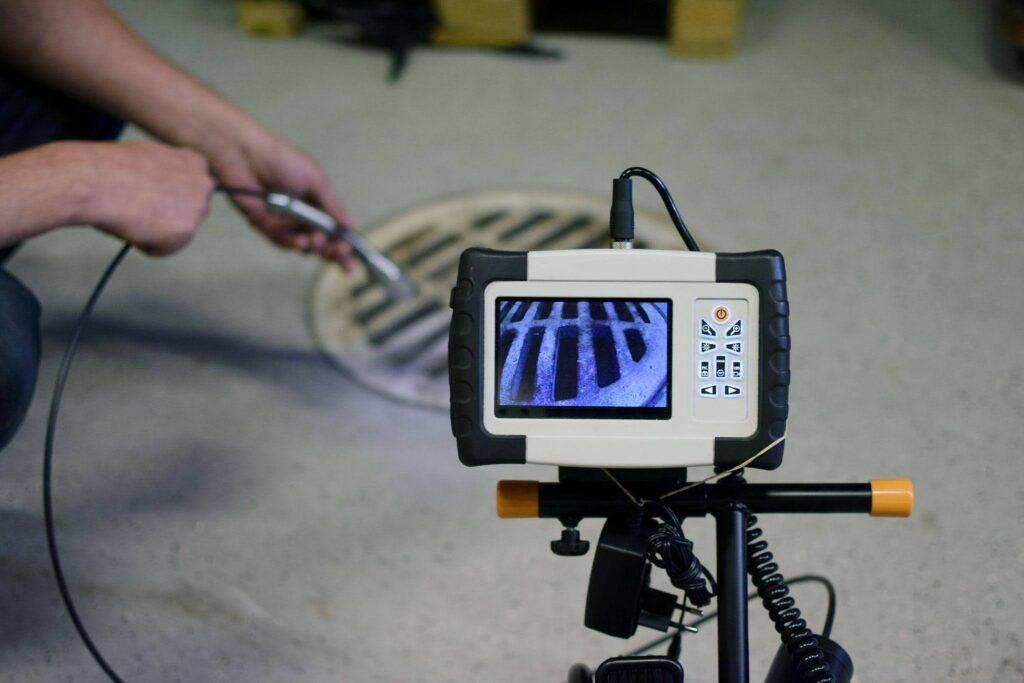
A technician uses a video inspection camera to examine a drain, showcasing the device's screen displaying the drain's interior.

How a Sewer Camera Inspection Helps Catch Problems Early

A sewer camera inspection helps catch problems early by letting a plumber see inside the sewer line before backups, recurring clogs, or pipe damage get worse. It reveals buildup, roots, cracks, offsets, and blockages so homeowners choose the right next step, whether that’s sewer cleaning, hydro jetting, or repair.

Small drain issues point to bigger sewer problems

Slow drains, gurgling sounds, sewer odors, or weak toilet flushes may seem minor at first. But when they keep coming back, they point to a deeper sewer line issue. A sewer camera inspection helps a plumber see what’s happening inside the pipe and recommend the right next step, whether that’s sewer cleaning, hydro jetting, or targeted repair.

What is a sewer camera inspection?

A sewer camera inspection uses a small, waterproof camera to inspect the inside of a sewer or drain line. The plumber feeds the camera through a cleanout or approved access point and watches live video to check for buildup, roots, cracks, offsets, low spots, foreign objects, or damaged pipe sections.

This helps narrow down the cause of slow drains, sewer odors, or recurring clogs before work begins. From there, the plumber explains whether the line needs sewer cleaning, hydro jetting, or targeted repair.

How early inspection helps prevent bigger sewer problems

A sewer camera inspection is most helpful when it occurs before a full sewer backup. Here’s how the process works.

Warning signs appear

A homeowner may notice slow drains, gurgling toilets, foul odors, or recurring clogs after basic drain cleaning. One slow bathroom sink may be a local clog, but multiple slow drains point to a deeper sewer line issue.

The plumber accesses the line

Next, the plumber accesses the sewer line. This usually happens through a cleanout, though the right access point depends on the home’s plumbing layout.

The camera checks the pipe

Then, the camera moves through the pipe. The plumber checks for buildup, roots, cracks, pipe separations, standing water, or areas where the pipe may be sagging.

The plumber locates the issue

After that, the plumber locates the issue. Knowing where the problem sits in the line helps guide the next step. Depending on what the camera shows, the plumber may recommend monitoring, sewer cleaning, hydro jetting, root removal, or sewer repair.

Warning signs that may need a closer look

Sewer line problems often start with small warning signs. Paying attention to those signs helps you schedule service before the issue becomes harder to manage.

Common signs include:

  • Recurring clogs: If the same drain keeps clogging, the cause may lie deeper in the line.
  • Multiple slow drains: When several fixtures drain slowly, the issue may involve the main sewer line.
  • Gurgling toilets: Gurgling happens when air gets trapped by a partial blockage.
  • Sewer odors: Bad smells may come from drain issues, venting problems, or sewer line trouble.
  • Backups in tubs, showers, or floor drains: This points to a mainline restriction.
  • Wet or sunken yard areas: These may suggest a sewer line leak or damaged pipe.

Why catching sewer problems early protects your home

Early sewer line inspection helps homeowners make better decisions. It also helps reduce the chance of repeated service calls for the same unresolved issue.

Early inspection can help by:
  • Less guesswork: The plumber sees the cause instead of relying only on symptoms.
  • Fewer repeat clogs: If roots, sludge, or buildup are causing the issue, the inspection helps guide a longer-term solution.
  • Better repair decisions: Cracks, offsets, bellies, or broken pipe sections may require repair rather than additional cleaning.
  • Reduced backup risk: Early service may help prevent wastewater from backing up into tubs, showers, floor drains, or basement areas.
  • More useful maintenance planning: Check older sewer lines before small defects turn into bigger problems.
  • The right cleaning method: Some lines need basic sewer cleaning, while others may be strong candidates for hydro jetting.

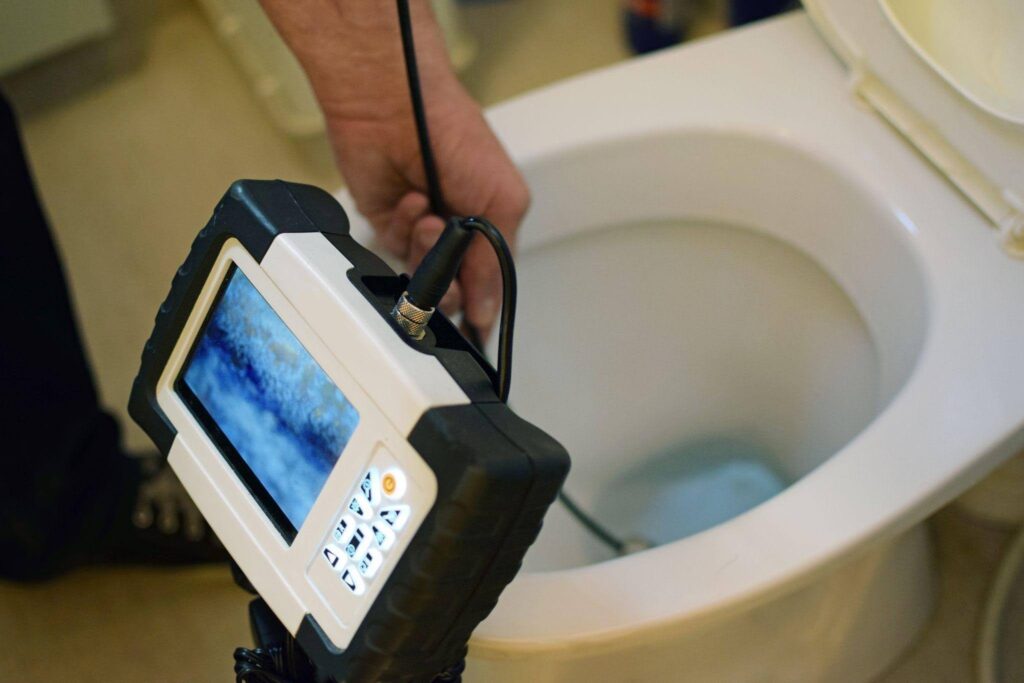
A plumber uses a video inspection camera to check a toilet for clogs and plumbing issues, ensuring proper maintenance.
Common mistakes that let sewer problems get worse

A clog that clears and comes back usually means something deeper is still in the line. Repeated slow drains, odors, or gurgling sounds are good reasons to check what’s happening inside the pipe before the next backup.

Avoid these common mistakes:

  • Ignoring recurring clogs: If the clog keeps coming back, the deeper issue probably hasn’t been addressed.
  • Relying on harsh chemical cleaners: Store-bought cleaners may not clear mainline blockages and be hard on certain pipes.
  • Assuming every clog needs the same fix: Grease buildup, root intrusion, and broken pipe sections require different solutions.
  • Skipping inspection before deep cleaning: A camera helps confirm whether the pipe is in good enough condition for hydro jetting.
  • Treating one fixture instead of the whole system: Multiple slow drains may point to the main sewer line.
  • Waiting for a full backup: Sewer problems rarely become easier after wastewater starts backing up into the home.

The better approach is to watch for patterns. One clog may not mean there’s a sewer line issue. Repeat clogs, odors, gurgling, or backups in more than one fixture deserve a closer look.

Why early sewer inspections help prevent bigger problems

Finding sewer line problems early makes them easier to handle. Since the main sewer line carries wastewater from the entire home, a single blockage or damaged section affects several fixtures at once.

An early sewer camera inspection helps:

  • Find the source of the issue: Roots, buildup, cracked lines, leaky joints, and blockages all lead to sewer backups.
  • Reduce the risk of repeat backups: Identifying the cause early helps homeowners avoid clearing the same clog repeatedly.
  • Guide the next right step: The inspection helps determine whether the line needs sewer cleaning, hydro jetting, repair, or closer monitoring.
  • Support better planning: The sewer lateral between the home and the public main is often the homeowner’s responsibility, so it's helpful to know its condition before the problem gets worse.

How inspection guides cleaning, jetting, or repair

A camera inspection helps match the solution to the pipe's actual condition.

  • Light buildup or a smaller blockage: Sewer cleaning may be enough to clear debris and restore better flow.
  • Heavy grease, sludge, or debris: The plumber may recommend hydro jetting if the pipe is in good condition. It uses high-pressure water to clean the inside of the line more thoroughly.
  • Root intrusion: Cleaning may clear the immediate blockage, but the plumber may also need to check how roots entered the line through cracks, joints, or weak spots.
  • Offset, bellied, broken, or collapsed pipe: Sewer cleaning alone may not solve the issue. These problems may need targeted repair.
  • No major damage found: The line may only need cleaning, maintenance, or monitoring.

Inspection comes first because it helps the plumber recommend the right next step instead of treating every sewer problem the same way.

FAQ

Do I need an inspection before hydro jetting?

In many cases, yes. An inspection helps confirm the pipe’s condition and whether hydro jetting is the right cleaning method for the blockage.

How do you prepare for a sewer drain camera inspection?

Clear access to the cleanout, basement drain, or plumbing area. If backups are active, limit water use before the appointment and share any recent clog or odor issues.

How long does a sewer camera inspection take?

Most sewer camera inspections take about 30 to 60 minutes. Timing depends on access, pipe length, blockages, and what the plumber finds.

Is it worth doing a sewer scope inspection?

Yes, especially for recurring clogs, sewer odors, gurgling toilets, slow drains, or backups. It helps identify the cause and guide the right next step.
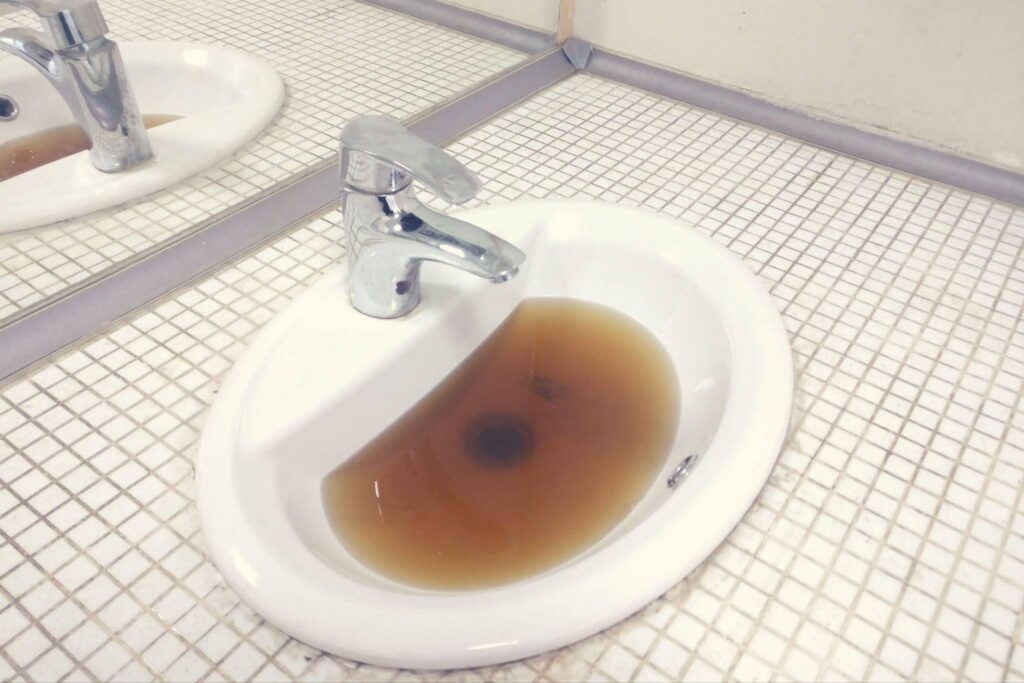
A bathroom sink with brown, murky water indicating potential plumbing issues or contamination.

Get clear answers with Neighborly Plumbing

Slow drains, sewer odors, gurgling toilets, and recurring clogs are easy to ignore at first. But when they keep coming back, they may point to a deeper sewer line issue. A sewer camera inspection helps identify the cause, reduce guesswork, and guide the right next step. Schedule service with Neighborly Plumbing to get clear answers before repair begins.
Request A Quote Today

Mission

To serve our Wasatch neighbors in their plumbing, drain, and renovation needs. We are committed to giving you a reliable, fair, and ethical service with our local, experienced team. We strive to ensure that once our services are done, you will never need to call another plumber again.
crossmenu linkedin facebook pinterest youtube rss twitter instagram facebook-blank rss-blank linkedin-blank pinterest youtube twitter instagram