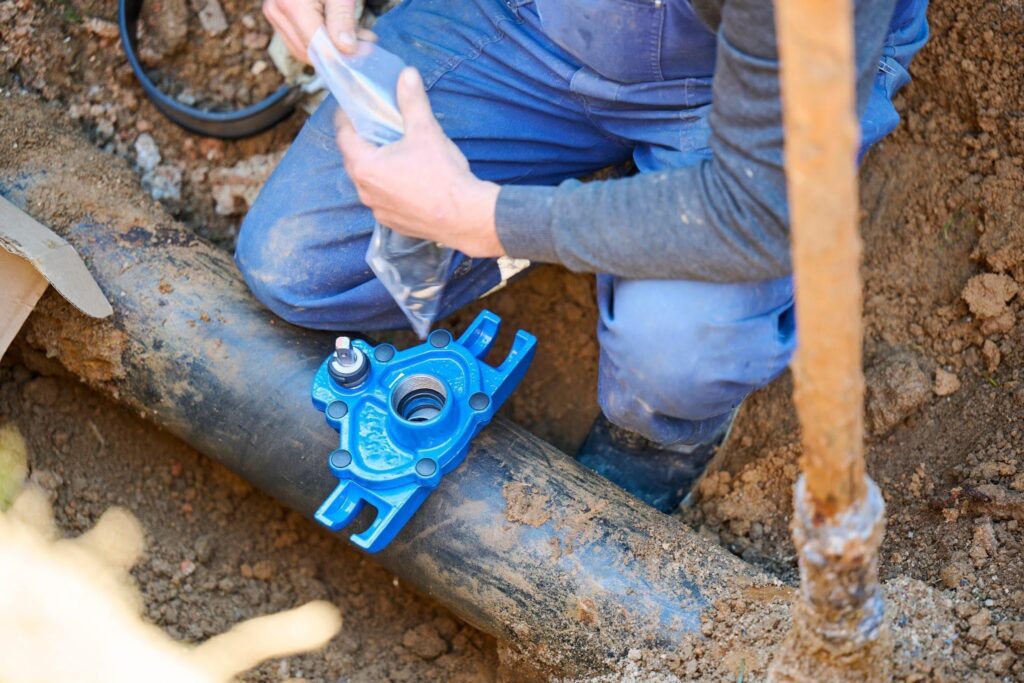
Older homes often develop sewer line issues as buried pipes age and the surrounding ground shifts. Tree roots may enter damaged joints, while corrosion and years of buildup can restrict flow. A sewer camera inspection helps a plumber identify the cause and recommend the most practical next step.
Several slow drains or recurring backups may point to sewer line issues deeper in the system. Gurgling toilets and sewer odors can signal the same problem. Older homes face a higher risk because many still rely on aging materials such as clay or cast iron. This guide explains the common causes and how plumbers identify the right next step.
Age increases the risk of sewer line issues, but the build year alone doesn’t determine pipe condition. Material, soil movement, nearby trees, installation quality, and past repairs all affect performance.
A 60-year-old clay line may still work well, while a newer pipe may fail due to poor installation or soil settling. Mature roots enter damaged joints and trap waste, while mixed materials from previous repairs may create weak connections that affect flow.
Homes under 30 years old usually experience sewer problems due to poor slope, construction debris, soil settlement, damaged connections, or materials entering the drains.
PVC and ABS resist corrosion, but they still crack, separate, or develop low spots when the soil moves.
Homes in this range may start showing root intrusion, offset joints, mineral buildup, or early corrosion. Previous owners may also have completed partial repairs that left older sections underground.
Homes over 50 years old may still rely on original clay, cast iron, concrete, or Orangeburg pipe. After decades underground, these materials can crack, corrode, shift, or lose their shape.
The construction date only provides a starting point. Previous owners may have replaced the entire line, repaired one section, or left the original sewer lateral untouched during a remodel.
Clay pipe resists chemical corrosion, but it contains many individual sections and joints. Roots often enter through loose connections, cracks, or gaps between sections.
Ground movement also shifts the pipe, creating offsets that catch waste.
Cast iron provides strong structural support, but rust and mineral scale build up along the inside over time. The rough surface catches debris and gradually narrows the opening.
Severe corrosion may weaken the bottom of the pipe or cause cracks.
Orangeburg consists of compressed wood fibers and coal-tar pitch. Many homes built during the middle of the 20th century used it because it cost less than metal pipe.
Over time, Orangeburg may soften, blister, flatten, or collapse. Cleaning may restore limited flow for a while, but it can’t restore a pipe that has lost its shape.
Concrete sewer pipe may crack, separate at the joints, or deteriorate under certain soil conditions. Roots enter through damaged joints, creating heavy blockages.
Many older homes contain several types of pipes. A remodel may add PVC piping inside the house while leaving the clay or cast-iron piping outside. Connections between different materials may shift, leak, or create uneven edges.
Mixed-material systems are among the most overlooked causes of recurring sewer line issues.
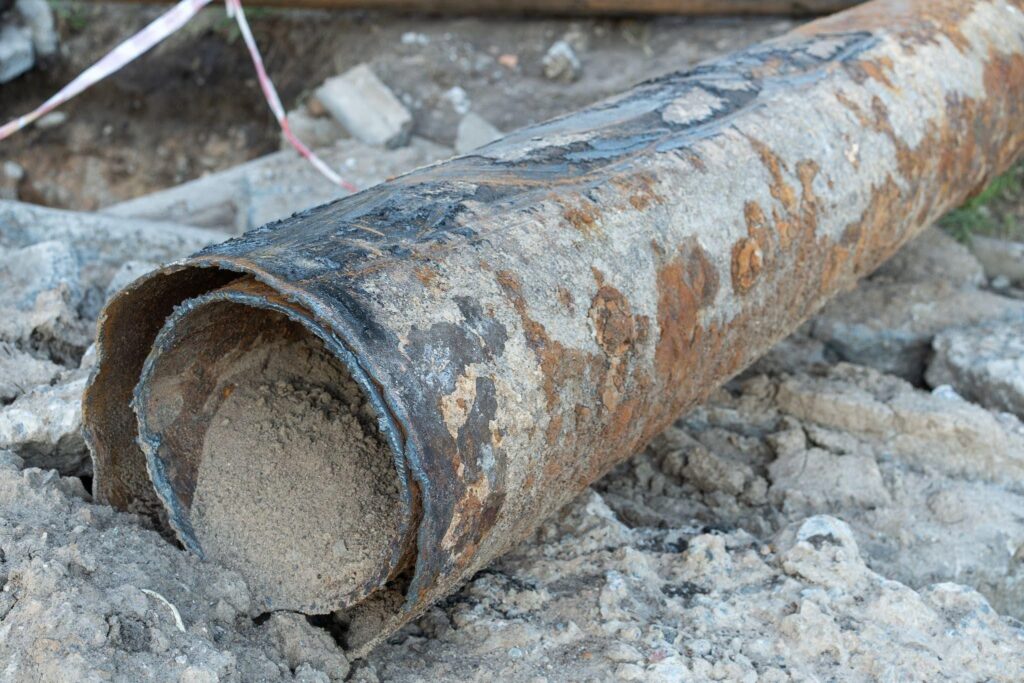
Roots seek moisture and enter through cracks, loose joints, or failed connections. Once inside, the roots grow, forming a net that catches waste.
A plumber can cut the roots and restore flow, but the problem may return if the pipe still has an opening. A lasting fix may require targeted sewer line repair or another solution that seals the damaged section.
Roots usually reveal an existing weakness. They don’t always create the first defect.
Cast-iron sewer lines can rust and collect mineral scale over time. The buildup narrows the opening and leaves a rough surface that catches waste.
A plumber may recommend descaling or other sewer-cleaning methods when the pipe still has sufficient structural integrity.
Age, soil pressure, corrosion, and material deterioration can cause a section of pipe to crack or collapse. A collapsed line stops normal flow and usually requires sewer line repair or replacement.
Minor cracks may allow roots and soil to enter the pipe before it fully fails.
Ground movement pulls pipe sections apart or pushes them out of alignment. Waste catches on the raised edge, and water may leak into the surrounding soil.
A small offset may need monitoring or targeted work. A severe offset may restrict the line and require repair.
A pipe belly forms when part of the sewer line sinks. The low section holds water and waste rather than allowing everything to flow downhill.
Repeated blockages often form in the same spot. Cleaning may remove the debris, but it won’t correct the improper slope.
Decades of grease, soap residue, food particles, waste, and flushed materials create heavy buildup.
Professional sewer cleaning may restore flow when the pipe remains structurally sound. The plumber should still identify the cause of the buildup, especially when clogs return quickly.
Freeze-thaw cycles, heavy rain, drought, nearby construction, and settling soil shift buried sewer pipes. These forces may crack the pipe, separate joints, or create low spots.
Older systems may contain inadequate slope, weak joints, undersized pipe, or poor transitions. These problems may remain hidden for years before recurring clogs begin.
A slow sink usually indicates a fixture-level clog. Several affected fixtures often indicate a mainline problem.
Watch for these signs:
These symptoms don’t confirm the exact cause, but they give the plumber a place to start. Repeated problems deserve attention because temporary clearing may hide deeper sewer line issues.
A plumber starts by reviewing the symptoms and locating the sewer cleanout. If sludge or standing water blocks the view, they may clear part of the line before running a camera.
A sewer camera reveals the following:
The plumber may also mark the defect’s location and depth above ground. Ask them to explain what the footage shows and whether the problem affects flow, pipe structure, or both.
The right solution depends on whether the line has a blockage, isolated damage, or widespread deterioration.
Sewer cleaning can help when buildup or limited root growth restricts a pipe that remains structurally sound. A plumber may use snaking, descaling, or hydro jetting based on what they find. Cleaning can restore flow, but it can’t correct structural damage.
Sewer line repair may work when the damage affects one section, and the rest of the pipe remains in good condition. A plumber may recommend spot excavation or a trenchless method to fix the problem without replacing the full line.
Full replacement may offer better long-term value when Orangeburg has collapsed, cast iron shows severe corrosion, several joints have separated, multiple bellies affect flow, or backups keep returning after service. Camera footage, pipe material, repair history, and the extent of the damage should guide the decision.
A camera inspection provides the most value when you understand the findings.
Ask these questions:
Clear answers help you compare maintenance, repair, and replacement without relying solely on the home’s age.
No. Some older lines continue working well for decades. A camera inspection helps determine whether the pipe needs maintenance, targeted work, or replacement.
Yes. Contractors often replace visible indoor plumbing without replacing the buried lateral in the yard.
Roots need an opening to enter. They may grow through a crack, a loose joint, a separated connection, or a damaged transition.
It depends on the material and condition. A plumber should inspect clay, Orangeburg, cracked, or heavily corroded pipes before using high-pressure equipment.
No single schedule fits every home. Recurring clogs, mature trees, unknown pipe materials, and past sewer problems may justify an inspection. A plumber recommends future timing based on what the camera shows.
Sewer cleaning restores flow when buildup causes the problem. It can’t repair a collapsed, badly cracked, or deformed pipe.
Yes. A targeted sewer line repair may be effective when damage affects only one section, and the rest of the line remains usable.
Often, yes. The color, shape, joints, and surface help the plumber identify the material. Access points and previous repair records may provide additional confirmation.
Recurring clogs, gurgling toilets, sewer odors, and backups may point to a deeper issue. Neighborly Plumbing inspects the line, explains what’s causing the problem, and helps you compare sewer cleaning, repair, and replacement options. Contact us to schedule service and find the right next step for your home.