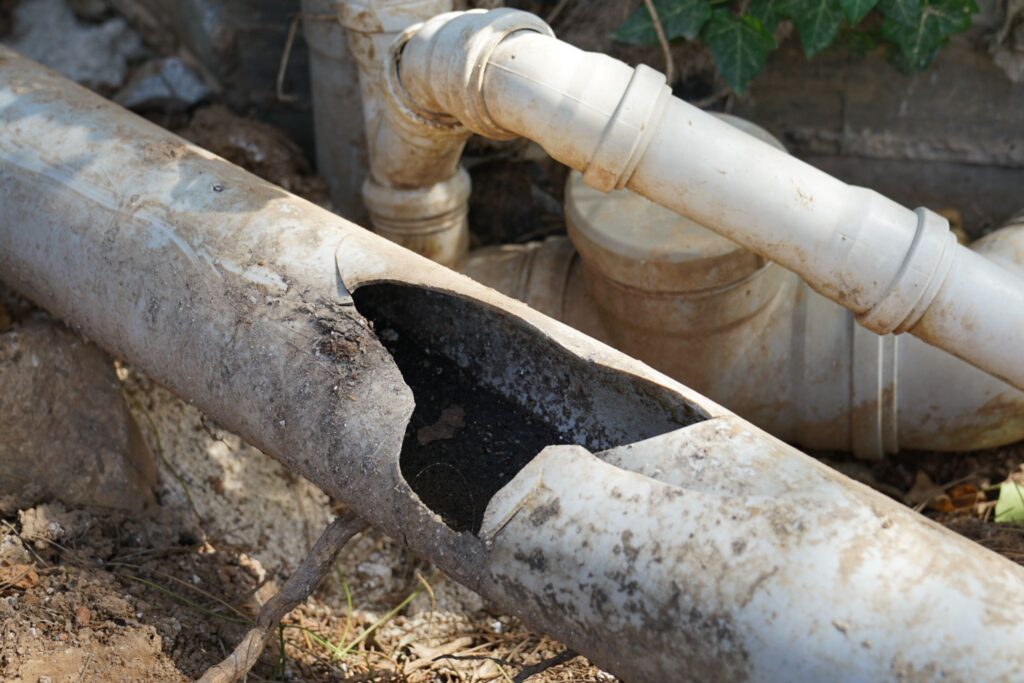
A sewer problem gets more complicated when the damage sits beyond your yard. The city may not automatically take over beneath the sidewalk or street.
Before you approve the sewer line repair, confirm who provides sewer service at your address and where the problem is located. This guide explains how responsibility works in Utah and what to check before moving forward.
A sewer lateral carries wastewater from your home to the public sewer main. In many Utah service areas, the property owner is responsible for the private line at its connection to the main.
Local rules determine the exact boundary. Utah Code § 11-8-4 requires public providers to disclose whether the property owner or the provider handles repair and replacement of the sewer lateral serving the property. Providers may share that information on their websites or through utility communications.
Responsibility rules vary across Utah. Start by confirming which city or sewer district serves your home, then check where that provider says your private sewer lateral ends.
Calling the city may work in some areas, but not everywhere. Some Utah properties receive sewer service through a separate sewer district or special service district. In those areas, the district sets the rules and may handle reports about backups or public main problems.
Start with your utility bill or the sewer information for your address. Look for the organization that provides sanitary sewer service, then review its lateral-responsibility information.
Ash Creek Special Service District shows why this distinction matters. The district states that property owners are responsible for the lateral through its connection to the district main. Another provider may follow different rules.
Contact the sewer provider rather than assuming the city handles the system.
A break beneath a public road often creates the most confusion. Homeowners see city pavement above the pipe and assume the pipe belongs to the city.
The land above the pipe and the pipe's ownership are separate questions. A private lateral may continue beyond your property line before it reaches the public sewer main. If your provider makes you responsible for that full section, a broken sewer lateral beneath the street may still fall to you.
The local authority may require permits or restoration work before a contractor finishes the job.
Before you approve the excavation, ask the plumber to identify the location of the sewer line damage. Then compare that location with your provider’s responsibility boundary.
Not every sewer backup starts in the private lateral. A restriction in the public main may interfere with the flow from your home.
Some providers ask residents to report a backup before private repair work begins. The provider may check its system first. If the public main has a problem, follow the provider’s process.
If the public system is flowing normally, the next step usually involves checking the private line. A pipe inspection camera helps the plumber narrow down where the problem appears.
A camera inspection helps pinpoint the problem so you can compare the location with your sewer provider’s responsibility rules.
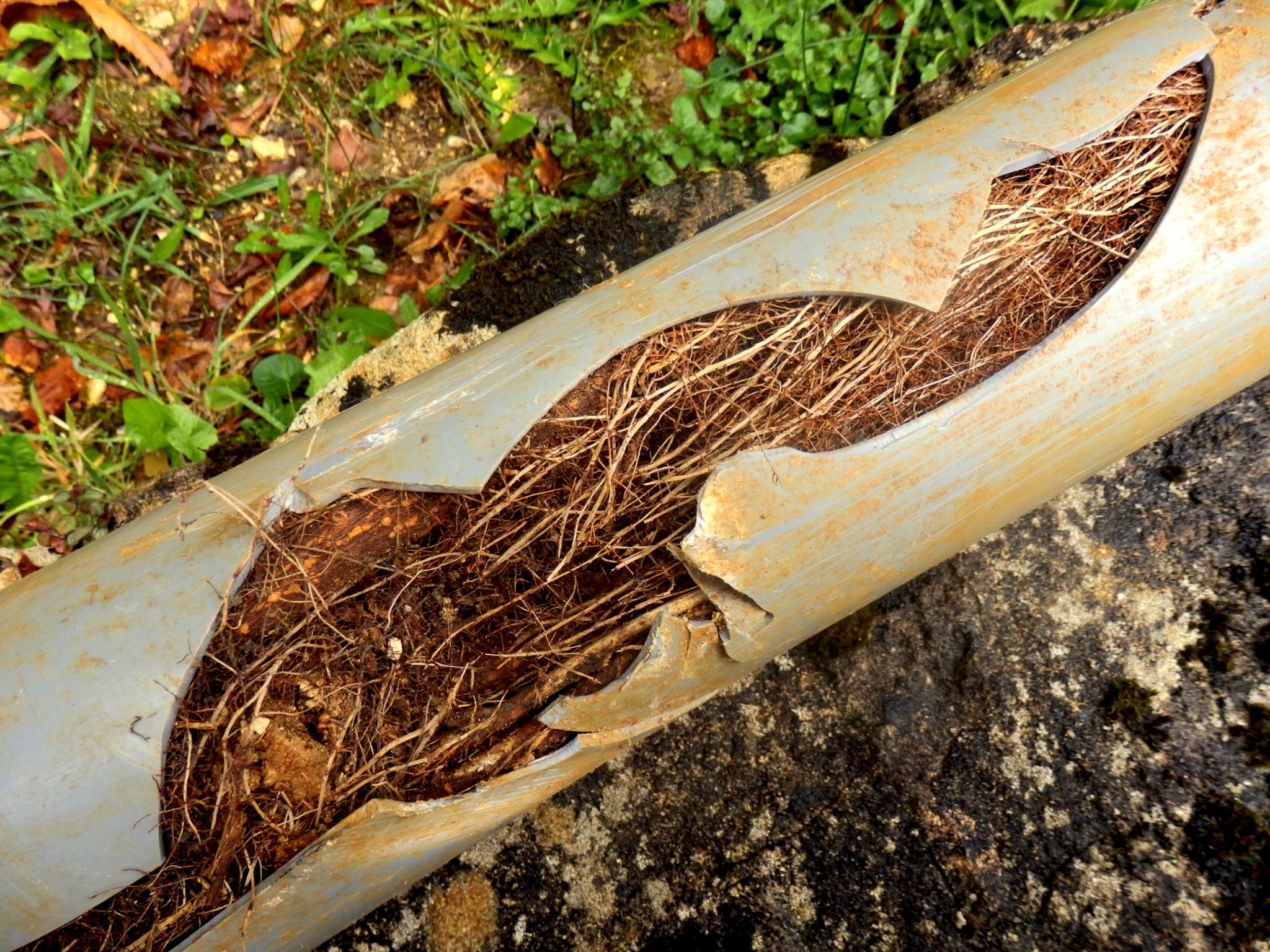
Homeowners often focus first on the cause of the failure, especially when tree roots appear in the line. Responsibility still starts with ownership of the damaged section.
Roots may enter through a weak joint or another opening in a private lateral. If that section belongs to the homeowner, the source of the roots doesn’t move the pipe into public ownership.
The same caution applies when roots come from a neighbor’s tree or a tree in a public park strip. Identify who owns the affected pipe. A separate dispute over who caused the sewer line damage may involve an insurer or legal advice.
Whatever caused the problem, locate the affected section before you decide who should pay.
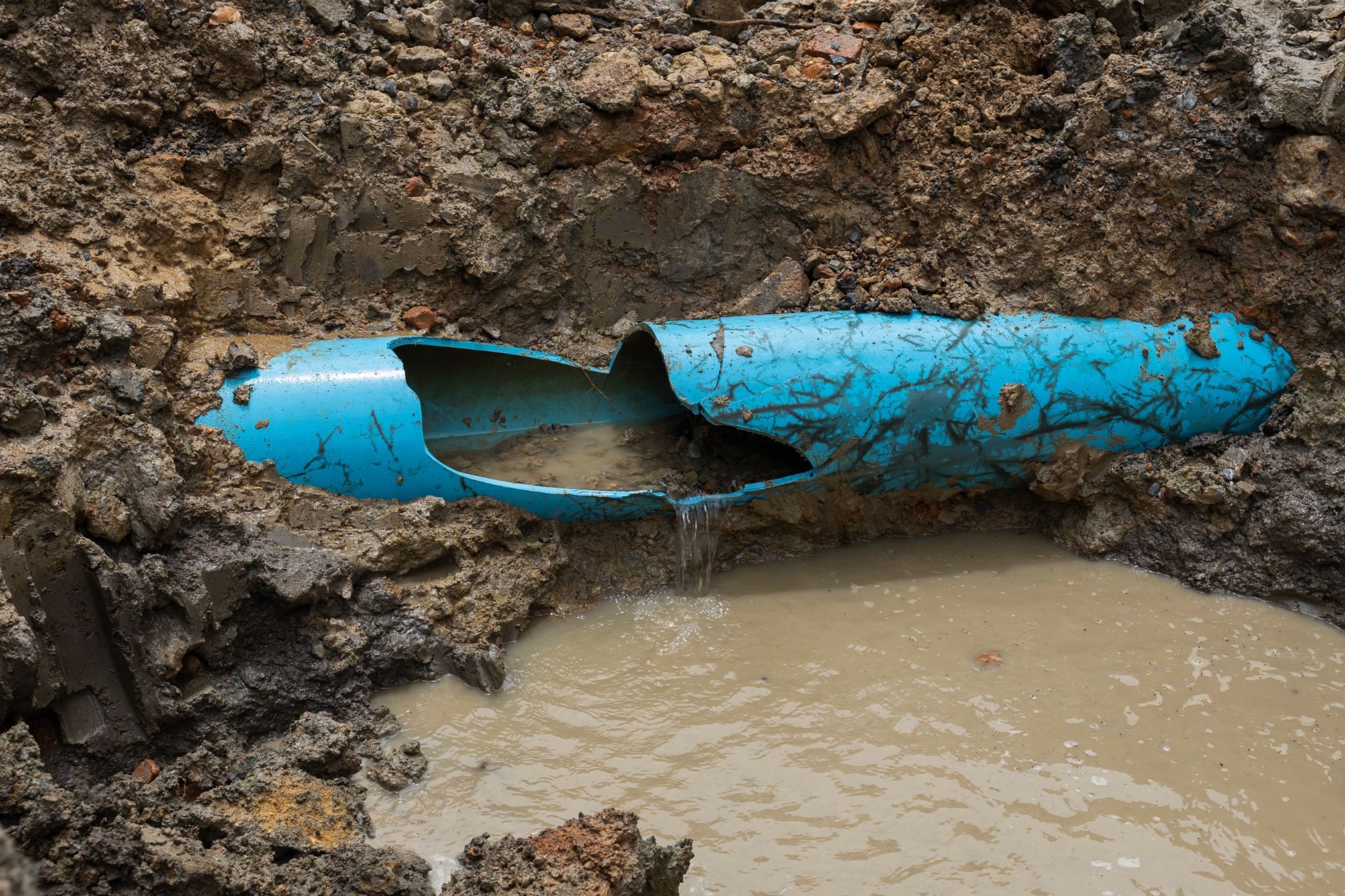
Some older Utah properties use a shared lateral that serves more than one home. If an inspection reveals a shared line, contact the sewer provider before approving major work. Ask what its records show and whether local rules address shared connections.
HOA communities may use another arrangement. An association may maintain part of the private system, while individual owners handle other sections. Review the governing documents and confirm where the private system meets the public sewer.
Don’t assume the first home with a backup owns the whole problem.
Responsibility for the pipe and insurance coverage answer two different questions. You may still own the damaged line even if a policy covers part of the expense.
Some policies offer service-line coverage for certain underground failures. Sewer-backup coverage may focus instead on damage inside the home after wastewater returns through the plumbing.
Ask your insurer what your policy covers before repair work begins. Keep the camera footage and written findings because the insurer may need documentation of the sewer line damage.
If the policy includes relevant coverage, the insurer will explain what documentation it needs and how the claim process works.
A large sewer estimate shouldn’t be the first time you learn where your responsibility ends. Before you agree to sewer lateral repair, work through the issue in order.
Once you know where the break sits and who owns that section, you have a clearer basis for discussing sewer line repair. You also avoid approving major work before you understand why the responsibility belongs to you.
Often, but not in every Utah service area. Some providers make the property owner responsible all the way to the public main. Check the provider serving your address.
Not always. Your private sewer lateral may continue beneath a sidewalk or street before it reaches the public main. The sewer provider’s rules determine where your responsibility ends.
First, determine who owns that section. Public pavement above the line doesn’t indicate who is responsible for the pipe beneath it.
Contact your sewer provider. In some communities, that means the city. In others, you need to contact a sewer district.
Start with ownership of the damaged section. Tree ownership alone doesn’t settle responsibility for the damaged sewer line.
Local rules and property agreements may affect the answer. Ask the sewer provider what its records show before anyone starts major work.
Start with your sewer provider’s lateral disclosure. Utah law requires public providers to state whether the property owner or the provider handles repairs and replacements.
A sewer backup already gives you enough to deal with. You shouldn’t have to guess whether the problem sits in your line or the public system.
Neighborly Plumbing uses pipe inspection cameras to show what is happening inside accessible private sewer piping. If the inspection indicates lateral damage, check the location against your city's or sewer district’s rules before proceeding.
If the line needs professional repair, Neighborly Plumbing will explain the findings and help you understand the next step. Contact Neighborly Plumbing to schedule service and get clearer information before you approve the work.