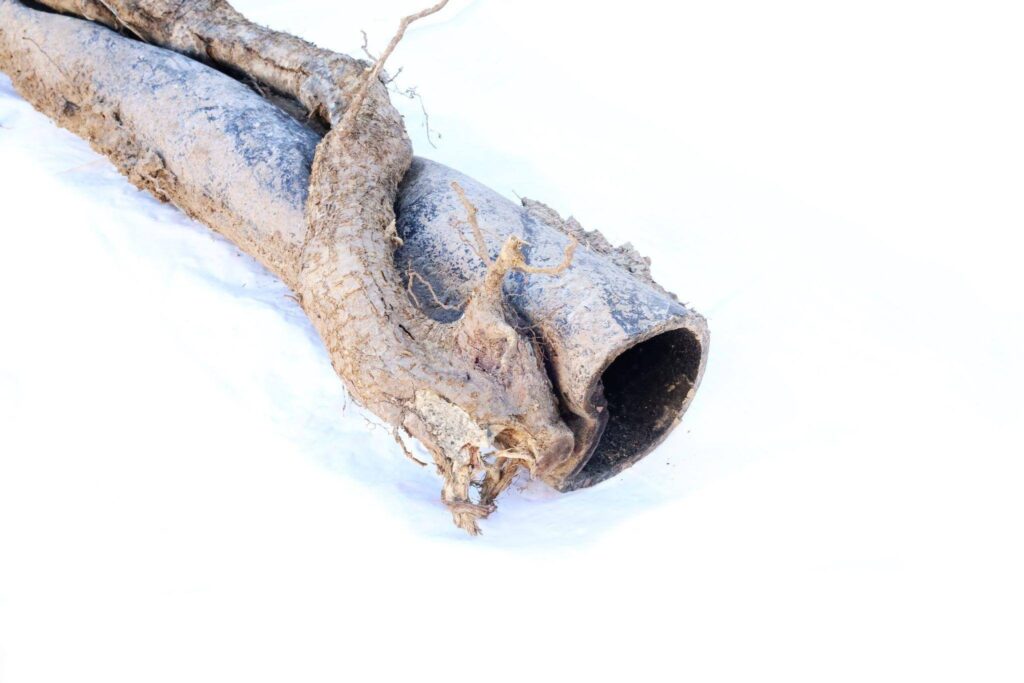
Utah drought changes the moisture conditions around tree roots and buried sewer lines. Dry soil stresses trees, while some clay-rich soils shrink as they lose moisture. If a sewer line already has a crack or weak joint, roots may enter that opening and restrict flow. Drought may make an existing sewer problem easier to notice, but it isn’t always the cause.
Utah homeowners usually notice drought above ground first. Lawns fade earlier, and mature trees need more attention as dry weather stretches on. Your sewer line sits in that same changing environment. When a line already has a weak joint or crack, drought may make the surrounding conditions more important.
This guide explains how dry weather affects roots and soil around buried sewer lines. It also covers which warning signs deserve attention and what a camera inspection may reveal. From there, you'll see how to decide whether a recurring root problem needs cleaning or repair. Keep reading to learn more!
Dry soil changes where tree roots find moisture. If the ground around a damaged sewer line stays wetter than the surrounding soil, nearby roots may keep growing in that direction.
That matters when a sewer line already has an opening. A leaking joint or small crack may release moisture into the surrounding soil. Roots growing nearby may reach that area and enter through the defect. Finding tree roots in sewer line footage also gives you a reason to look closely at the point where they entered the pipe.
During a prolonged dry period, two things may become more important around the sewer line:
Drought may put more stress on a sewer line that already has problems. Dry soil alters conditions around the pipe, while nearby roots may exploit an existing crack or weak joint.
A homeowner may not notice any change until roots start affecting the flow. If a plumber finds tree roots in the sewer line footage after a repeat backup, the timing doesn’t prove that drought created the defect. The dry period may have changed conditions around an existing weakness.
If a mainline problem starts during a dry stretch, it’s better to work through the problem in order than to assume that roots caused it.
A single slow sink often points to a local drain problem. Root concerns become more relevant when several fixtures react to the same restriction.
Watch for signs such as:
Most homeowners know where their trees sit, but fewer know the path of the private sewer lateral. A mature tree near that route adds useful context without proving that roots caused the problem.
A pipe inspection camera shows what is happening inside accessible portions of the drain or sewer line. The footage may reveal visible root growth and show where it has entered the pipe.
That entry point matters because it may also expose a failed joint or another defect that allowed roots to grow inside. The footage also shows whether tree root intrusion occurs in a single isolated area or extends farther along the line.
The plumber may need to remove root growth before the line drains normally again. The right cleaning method depends on the pipe and the amount of growth.
Clearing the roots may get the line flowing again, but it won’t fix the crack or failed joint they used to get inside.
After the plumber clears enough of the line to inspect it, look at the pipe itself. A localized defect may warrant a targeted repair, while broader deterioration may call for a larger project.
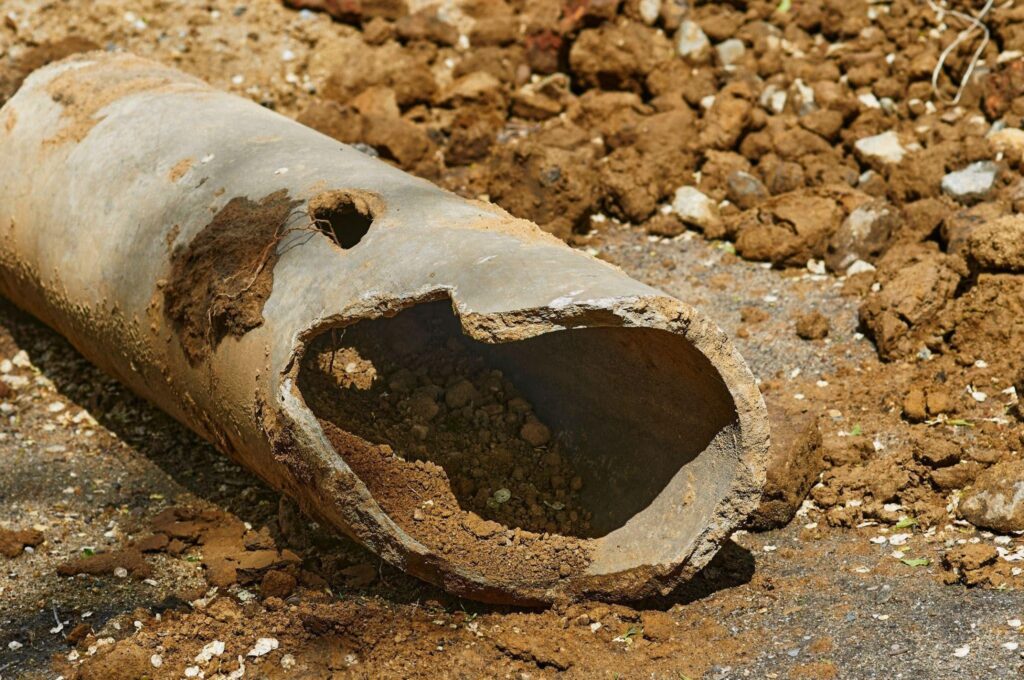
A homeowner has a large shade tree near the sewer route. The mainline backs up twice within a year after previous cleaning. Camera footage shows roots entering at an older joint.
In this situation, sewer line root intrusion gives the plumber a reason to examine the joint rather than treating the roots as the entire problem. Removing the obstruction may restore flow, but repeated growth suggests that the entry point still needs attention.
Another property goes through the same drought. The yard has mature trees, but the drains work normally, and the homeowner has no history of mainline problems.
Dry weather by itself doesn’t point to a sewer problem. Keep the tree healthy and pay closer attention if new drainage issues start to appear.
A recurring sewer problem tells you that something continues to interfere with the flow. Repeated cleaning may buy time, but it doesn’t explain why the problem keeps coming back.
Early inspection gives the homeowner clearer information before the next backup. A plumber may identify roots at one joint or find a different cause entirely. The footage may also show whether the pipe around the restriction still looks structurally usable. When tree roots in sewer line footage keep showing up at the same location, the repeated pattern points back to that section of pipe.
This matters for tree root intrusion because root removal and pipe repair solve different problems. One clears space inside the line. The other addresses the damaged area that gave root access.
That distinction also helps when you compare repair options. A plumber who sees the entry point has more information than someone working from symptoms alone. That information helps you decide whether the line needs another cleaning or a repair that addresses the damaged section.
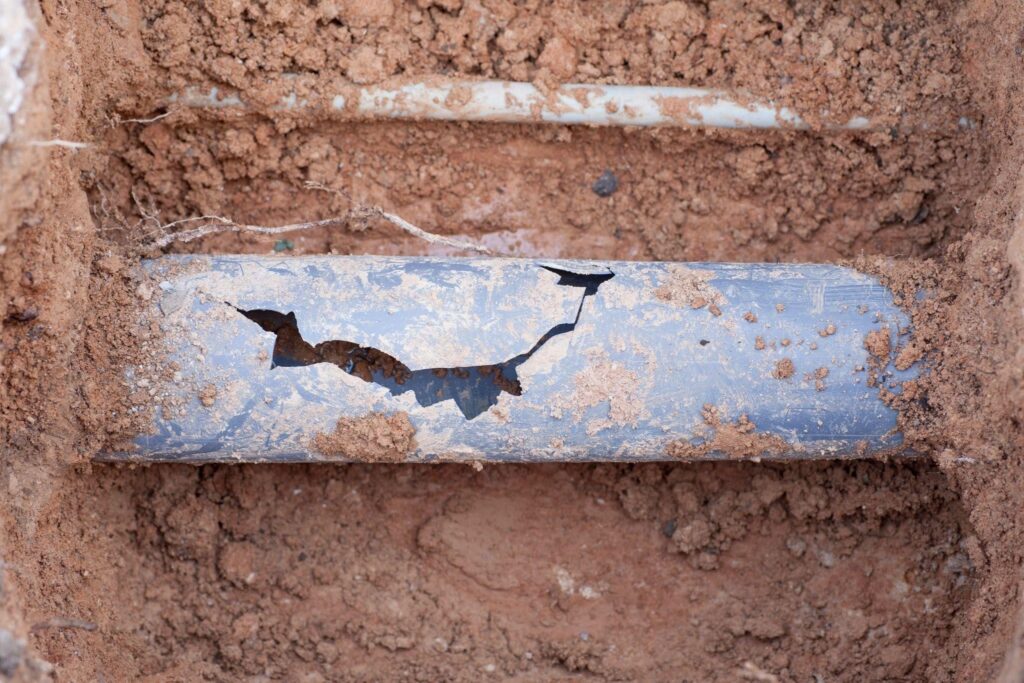
The science behind drought and sewer problems is more nuanced than the idea that thirsty roots hunt for pipes.
Utah State University explains that trees need moisture throughout a broad root zone. Its drought guidance for trees recommends slow, deep watering rather than concentrating irrigation near the trunk. The guidance also notes that tree roots may extend a considerable distance where water remains available.
Dry weather changes where moisture remains in the soil. Tree roots tend to keep growing through the areas that still provide enough water to support them. A leaking sewer defect may create favorable moisture nearby, but the roots still need a way into the pipe.
The Utah Geological Survey adds another part of the drought story. It identifies expansive soil as a clay-rich material that swells when wet and shrinks when dry. Changing moisture levels may therefore alter the ground around buried infrastructure.
Drought may affect a sewer line through both root growth and soil movement. Roots may enter through an existing defect, while drying soil may shift around an already vulnerable pipe.
Neither process means every Utah home faces a sewer problem during drought. Property conditions and pipe age matter.
For homeowners, the research supports a practical approach:
A camera provides the plumber with a real-time view of accessible portions of the line. It helps locate root growth and shows what the surrounding pipe looks like.
The bigger concern is often where the roots got into the pipe. Even a small amount of growth may point to a weak joint or opening that still needs attention after the line is cleared. Seeing tree roots in sewer line footage alongside that opening helps connect the blockage to a specific area of the pipe.
Professional cutting equipment removes root growth that restricts the line. The plumber should assess the pipe's condition before deciding how aggressively to clean it.
High-pressure water may help clear certain sewer lines after an inspection. The plumber needs to consider pipe condition first, especially when an older line already shows structural problems.
If roots repeatedly enter through one defect, sewer line repair may address the damaged area rather than repeatedly clearing the same obstruction. Neighborly Plumbing evaluates the line before recommending whether a targeted or more extensive repair makes sense.
Proper watering helps trees handle drought, but it won’t fix a damaged sewer line. Deep irrigation supports tree health, while a cracked or failed pipe still needs its own repair.
Treat those as separate jobs: maintain the tree as needed and address the sewer defect based on the inspection findings.
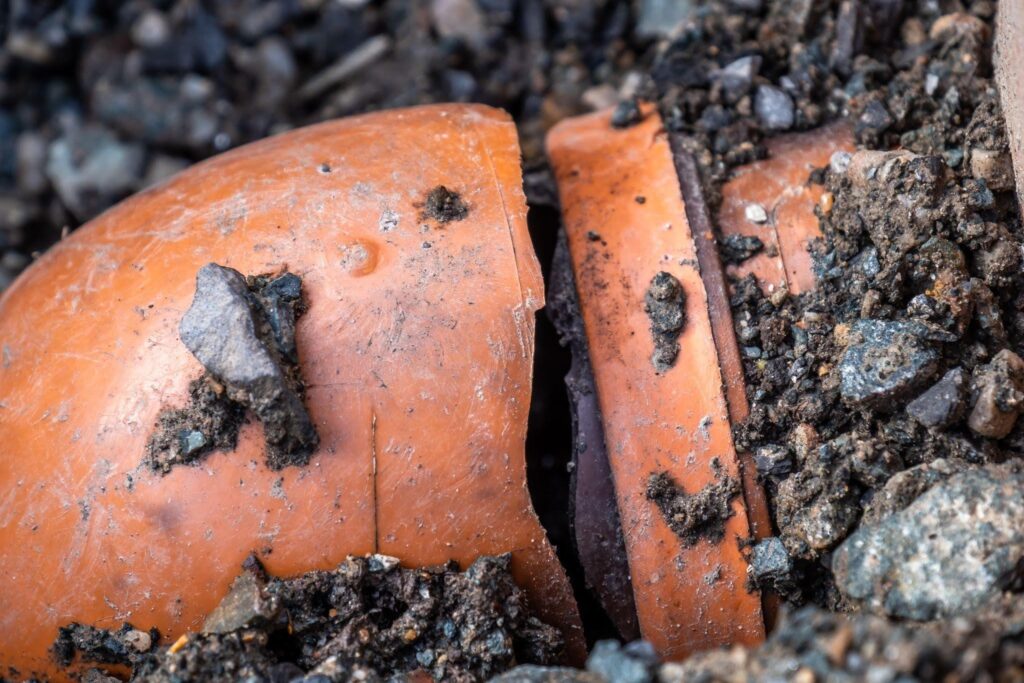
Drought changes the moisture available around tree roots, but it doesn’t direct roots toward sewer pipes. Roots need favorable soil conditions and an opening before they enter a line. A leaking joint or small crack may provide that pathway when roots already grow nearby.
One slow drain usually indicates a problem near that fixture. Root problems are more likely when toilets gurgle or when several drains slow down at the same time. A camera inspection confirms whether roots are inside the line and shows where they entered.
They may return if the entry point remains open. Cleaning removes the obstruction and restores space inside the pipe. It doesn’t reconnect a failed joint or seal a crack, so repeated growth at the same location may indicate a need for repair.
No. One damaged joint may support a targeted repair when the surrounding pipe remains usable. A camera may also reveal broader deterioration that changes the recommendation. The plumber should base the decision on the pipe's condition rather than on the presence of roots alone.
Not automatically. Removing the tree doesn’t fix the sewer opening that allowed roots inside. Inspect the line first and determine what repair the pipe needs. If root management raises concerns about the tree, ask an arborist to evaluate its health before deciding whether to remove it.
Dry weather alone isn’t a reason to inspect your sewer line. It becomes more worthwhile to check when mainline clogs keep coming back, or you’ve dealt with root intrusion before. A camera inspection helps determine whether roots contribute to the problem or another condition explains the symptoms.
Utah's dry periods affect trees and soil simultaneously, but they don’t create the same sewer risk for every home. A newer line with secure connections differs from an older lateral with a history of root problems.
Mature landscaping adds context, especially when large trees sit near the sewer route. Previous backups matter even more. If a plumber has already removed roots from the line, another recurring clog deserves a closer look. A history of tree root intrusion makes that recurrence even more important because the same entry point may still be present.
During prolonged dry weather:
Homeowners should also remember that sewer responsibility varies by municipality. Don’t assume the city owns the pipe once it reaches the sidewalk or street. Check local utility rules when a problem sits near the public main.
If roots come from a neighbor’s tree, responsibility for the sewer repair still depends on the line itself and local rules. The tree’s location doesn’t automatically determine who pays.
Drought may change the conditions around your trees and sewer line, but recurring drainage problems need a specific diagnosis. Neighborly Plumbing will inspect the line and explain what the footage shows. If roots have entered the pipe, we'll help you understand whether cleaning or repair makes more sense.
Contact Neighborly Plumbing to schedule service and get a clear next step before the problem returns.