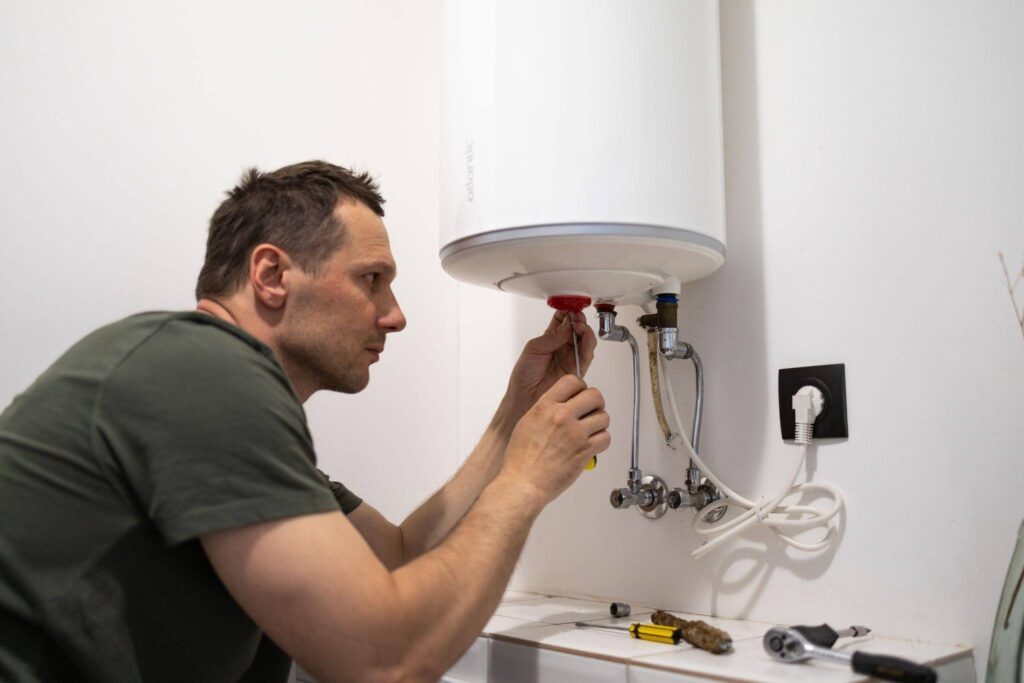
Water heater repair often makes sense when a plumber finds a failed part, and the tank remains sound. Water heater replacement usually makes sense when the tank leaks or an aging system needs repeated expensive work. Compare the diagnosis, total cost, expected reliability, and your household's needs before deciding.
Hot water rarely gets much attention until a shower turns cold or you discover a puddle beside the tank. Then comes the bigger question: should you invest in water heater repair or put that money toward a new one?
A small leak may come from a replaceable connection, while a newer heater with a damaged tank may need to be replaced. Here's what to check before approving work.
A single failed component may justify repair when the tank remains sound.
Common repairable problems include:
A faulty thermostat may cause the water heater to stop heating properly, but that doesn't mean the entire system needs replacing. A plumber should identify the source of the problem and check the tank's condition before determining whether a repair will solve it.
A leaking tank usually ends the repair discussion. Once corrosion breaches the tank itself, replacing an external valve won't stop the leak.
You should also consider replacing your water heater if you notice any of the following issues:
A faulty thermostat might explain why your water heater isn't heating properly. Before replacing the unit, have a plumber check the controls and inspect the tank to see whether a repair makes sense.
Traditional tank heaters often last around eight to 12 years, depending on water conditions and upkeep. Tankless systems often last longer. Check the label or serial number to establish your heater's age.
A sound tank with one failed part presents a different decision from a corroding tank with a history of breakdowns. Ask the plumber whether previous repairs suggest an ongoing problem.
Review the manufacturer's warranty before paying for work. Coverage may apply to a part or the tank, but exclude labor. Service records also help the plumber understand whether the heater has received appropriate maintenance.
Ask what the repair will actually accomplish. The repair may restore hot water without addressing other aging parts.
The 50% rule offers a starting point: when a repair approaches half the price of replacing the heater, compare both options carefully. A low-cost fix on an older system may still make sense, while an expensive repair on a deteriorating unit may not.
Request a complete estimate for water heater replacement and repair. For water heater installation, that means looking beyond the unit's sticker price. Ask about labor and any changes to connections or venting. Confirm whether the estimate includes permits where the local jurisdiction requires them.
Also consider future operating costs. The Department of Energy's water heater cost guidance explains how equipment efficiency affects ongoing expenses. Compare actual models before assuming you'll save money. Two replacement quotes may also include different work. One may account for venting upgrades while another assumes the existing setup will work. Ask both contractors to spell out the scope so you can compare equivalent projects.
A repair won't improve a heater that was too small for your household from the start. If showers regularly turn cold while another person is using hot water, ask whether the system has sufficient capacity and is operating correctly.
Your plans also matter. Long-term owners may prioritize reliability. Someone preparing to move may choose a safe, sensible repair.
Before planning water heater installation, discuss peak demand with the plumber. Household size matters, but so does the timing of people's hot water use. A properly sized system should support those routines without unnecessary operating expense. If your current heater once supplied enough hot water, investigate the recent drop in performance before ordering a larger system.
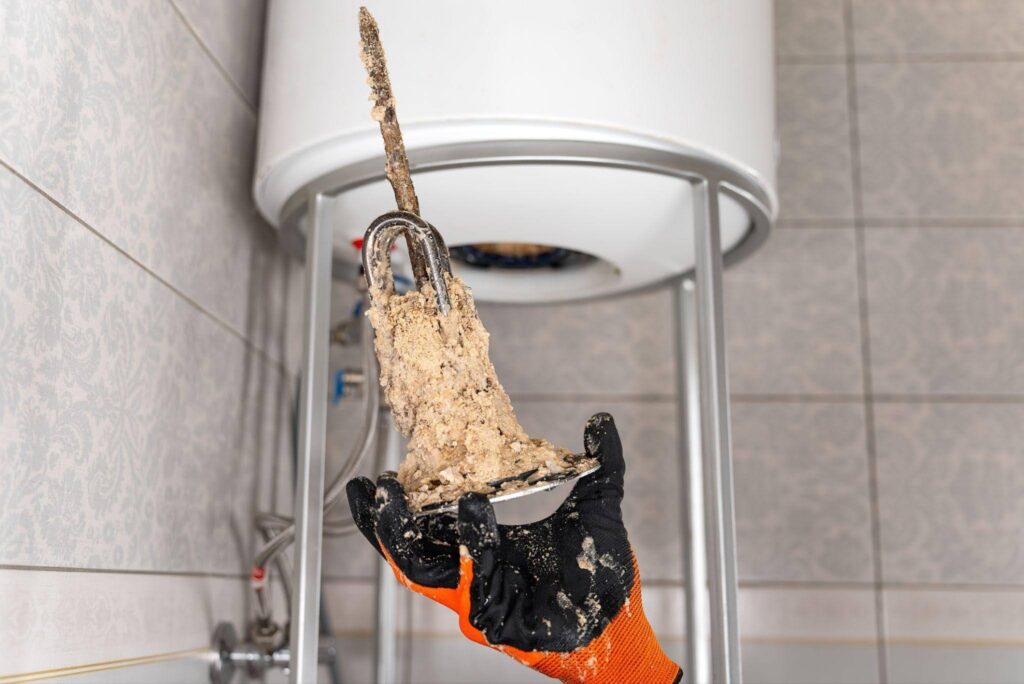
Minerals in Utah water may settle inside a storage tank and form sediment. Over time, buildup may contribute to popping noises or reduced heating performance. Noise alone doesn't prove tank failure.
Water hardness also varies by supply. Salt Lake City Public Utilities notes that its groundwater contains higher mineral levels than its mountain sources. Consider your supply and maintenance history.
Ask your plumber whether sediment buildup or a worn anode rod contributes to the problem. The anode rod helps protect the tank from corrosion, while regular water heater maintenancehelps manage sediment buildup. However, maintenance won't reverse corrosion that has already damaged the tank.
A four-year-old electric heater stops heating. A plumber confirms a failed heating element and finds the tank sounds. Replacing the component likely offers a sensible solution without the expense of a new unit.
A ten-year-old heater needs a costly repair. The homeowner has already paid for two recent service visits. Before spending again, they compare the new repair quote with the complete replacement estimate and ask about expected reliability.
A seven-year-old heater leaks through its tank. Even though the unit hasn't reached its typical lifespan, its tank has failed. The homeowner should plan for water heater replacement rather than spending money on components that won't stop the leak.
Ask these questions during the inspection:
Ask the plumber to explain the findings before you commit. If they recommend replacing the heater, ask which specific findings rule out a repair and why.
Possibly. A modest repair may make sense if the tank remains sound. Repeated problems or a costly repair may make replacement a better choice.
No. A loose-fitting or faulty valve may cause the water you see around the unit. A plumber should locate the leak. Tank-body leaks usually require replacement.
If the repair costs nearly half as much as a new water heater, it's worth considering replacement. The age and condition of your current unit will help determine whether another repair makes financial sense.
A new element restores heating but doesn't reverse tank corrosion. Ask the plumber about the condition of the remaining equipment.
Consider it when an aging unit threatens an expensive leak. A sound heater may still have useful life, so weigh that risk against replacement costs.
Not necessarily. Sediment may cause those noises. Have a professional inspect the tank before deciding whether maintenance or repair makes sense.
Manufacturers may cover parts or the tank without covering labor. Review your terms and ask the installer to separate warranty coverage from your expenses.
Check the model and labor scope. Ask about old-unit removal and necessary plumbing changes. Confirm permit costs where applicable.
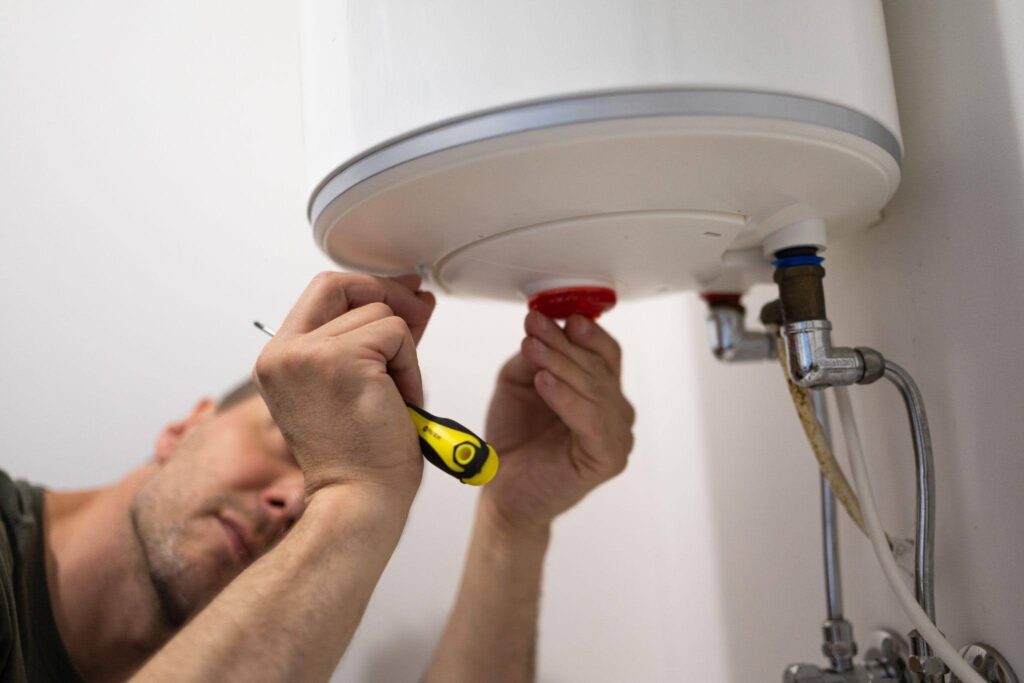
Deciding whether to repair or replace your water heater isn't always straightforward, especially when the unit still works but continues having problems. A professional inspection helps you understand what's causing the issue and whether a repair will provide a lasting solution.
Neighborly Plumbing will inspect your water heater and walk you through your options. We'll explain what we find and provide a clear estimate so you know what to expect. If you're dealing with unreliable hot water or a leak, contact Neighborly Plumbing to schedule service and determine the best next step for your home