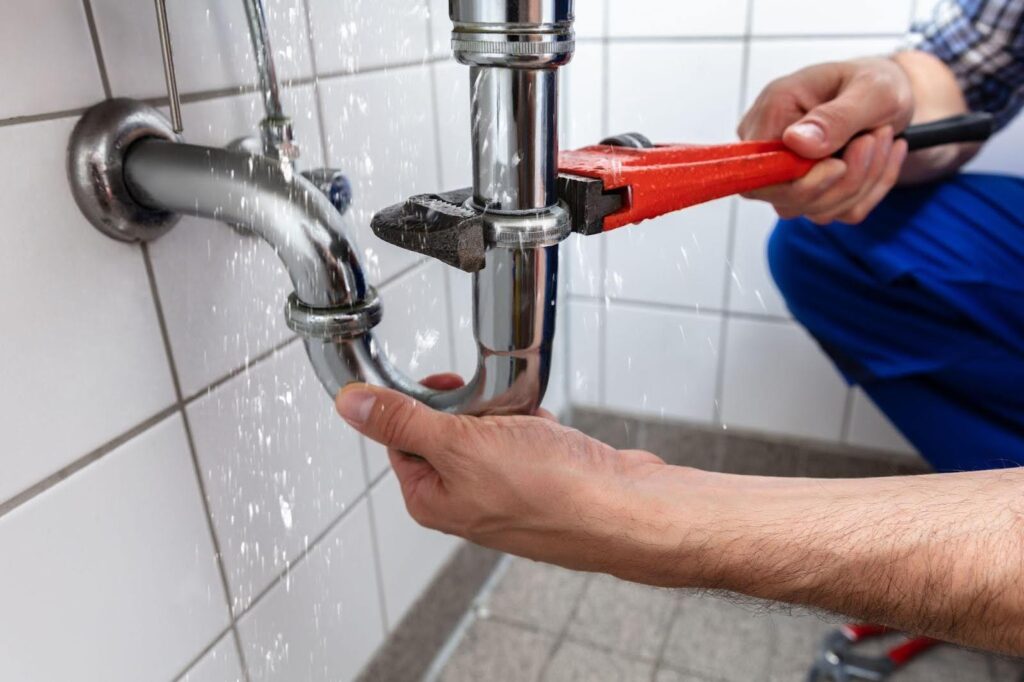
Pipes are at risk during winter when they show signs of frequent clogs, visible corrosion, low water pressure, or strange noises. These symptoms often indicate vulnerability to freezing or existing structural weakness. Identifying these warning signs early helps homeowners prevent catastrophic pipe bursts, water damage, and costly emergency repairs caused by expanding ice and fluctuating temperatures.
Winter plumbing problems almost always give warning signs before disaster strikes; knowing those signs could save you from thousands of dollars in plumbing repairs.
In cold climates like Utah, temperatures drop fast, and even a small crack or an exposed outdoor spigot could lead to burst pipes and serious water damage within hours.
Many homeowners miss the early clues, such as banging noises in the walls, weak water pressure, or faucets that stop flowing normally. These signs often appear days or weeks before a pipe freezes and fails.
In this guide, we’ll cover the most common warning signs that put your pipes at risk during winter and explain the steps you should take now to protect your home from costly freeze-related damage.
Winter introduces a physical phenomenon called hydrostatic pressure. When water freezes inside a pipe, it expands. This expansion blocks the flow and creates immense pressure between the ice blockage and the closed faucet, eventually causing the pipe wall to rupture. This is one of the most common plumbing problems reported during the colder months.
Identifying "at-risk" pipes means finding the areas where insulation is thin or where existing wear makes the pipe the "weakest link" in the system.
Without proactive measures, homeowners often find themselves in urgent need of plumbing repair to fix split copper or PVC lines. Hiring professional plumbing services before the first deep freeze will help identify these vulnerabilities before they turn into emergencies.
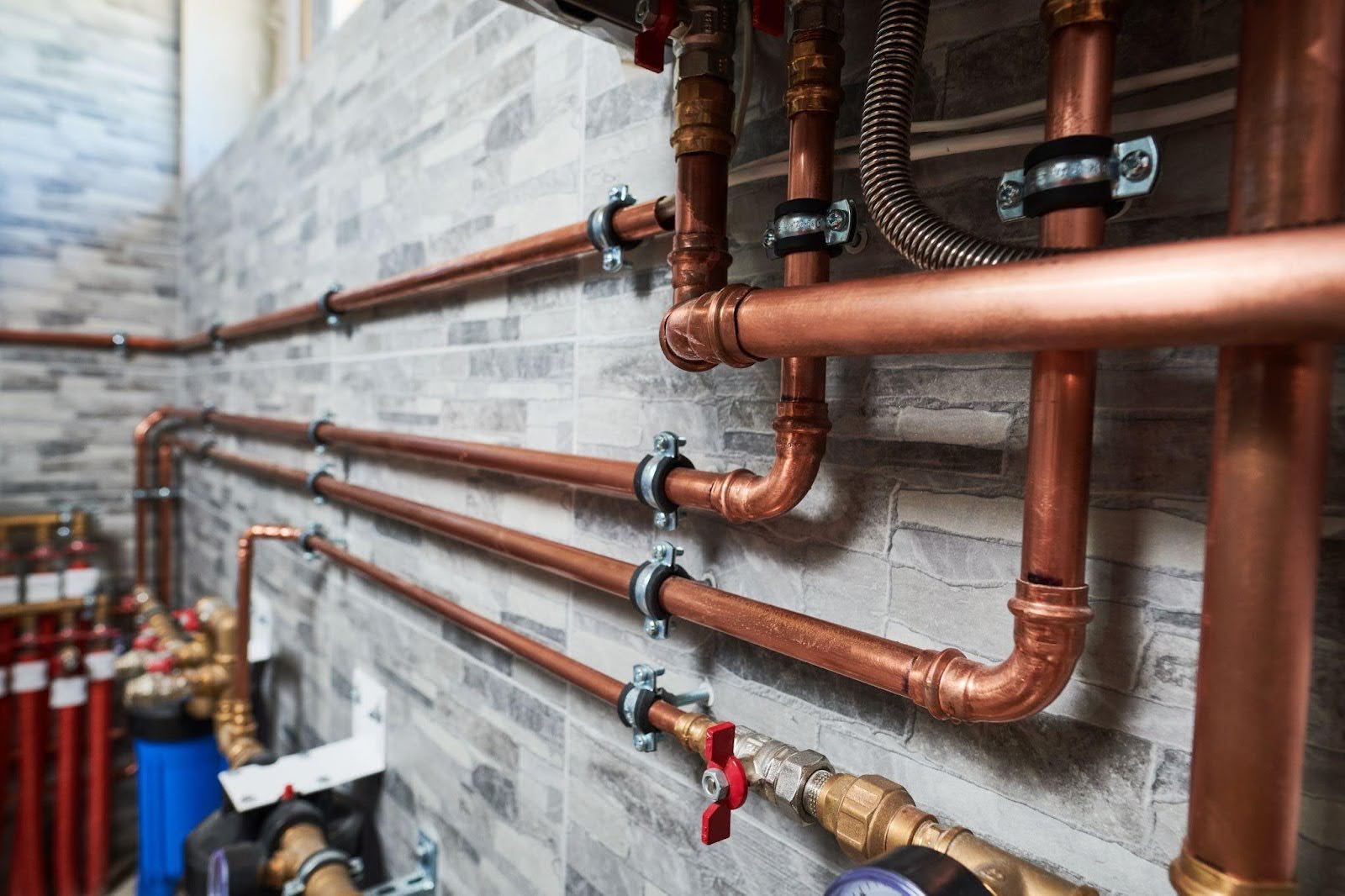
Understanding the numbers behind winter plumbing problems helps homeowners realize the high stakes of a single frozen pipe. Data from 2024 and 2025 shows that water damage is one of the most frequent and costly risks to residential properties.
While a repair for a visible pipe might seem manageable, the total bill often escalates when you factor in restoration.
| Service Type | Estimated Cost Range (2025) |
| Standard Pipe Repair | $200 – $1,000 |
| Emergency After-Hours Fee | +$100 – $500 |
| Water Extraction & Drying | $500 – $1,500 |
| Mold Remediation | $1,200 – $3,800 |
| Total Restoration (Severe Cases) | $15,000 – $30,000+ |
To avoid frequent problems, keep these items on hand:
You should call if you notice frost on your pipes, hear strange whistling noises, or if your water stops flowing entirely during a cold snap.
While you can use a hairdryer to thaw a pipe, if the pipe has already cracked, you must shut off the main water valve and call for professional repair to avoid flooding.
The most frequent issues include frozen outdoor spigots, burst pipes in unheated basements, and water heater failures due to increased demand and cold intake water.
Yes. In many Utah homes, kitchen and bathroom pipes are located against exterior walls. Opening cabinet doors allows the home's warm air to circulate through the pipes. This simple step is a highly effective way to avoid the need for emergency services during extreme cold snaps.
First, turn on the faucet that is connected. If only a few drops come out, leave the faucet open and locate your main water shut-off valve. If you discover a crack while thawing, shut the water off immediately and call a professional repair service to prevent flooding.
Absolutely. Smart leak detectors monitor water flow and pressure. If a pipe freezes and begins to leak, the system automatically shuts off your water and alerts your phone. This technology saves you thousands of dollars in damages and extensive repair costs.
This is a common winter warning sign. Often, the plumbing vent stack on your roof may become blocked by snow or ice. This prevents sewer gases from escaping upward, forcing them back into your home. This is one of the problems that usually requires professional services to clear the roof vent safely.
No, you should never use an open flame to thaw a pipe. This poses a significant fire hazard and also causes further damage to your pipes. Instead, use a hairdryer, a space heater, or towels soaked in hot water. If the pipe is inaccessible, it is safer to contact a professional.
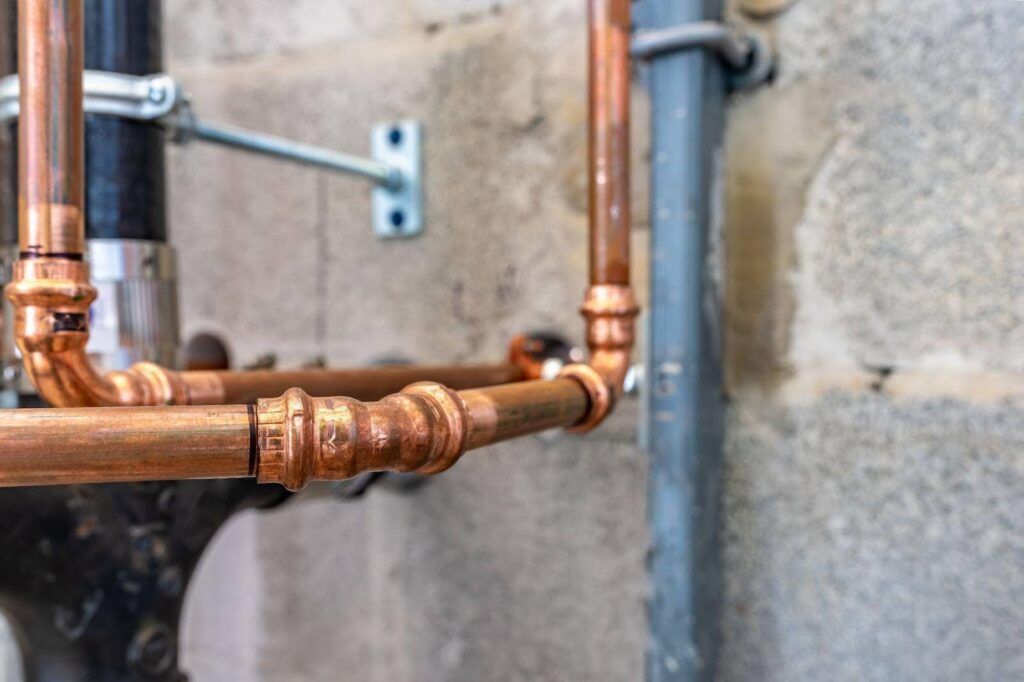
Utah's "high desert" climate presents a unique challenge: extreme temperature swings between daytime and nighttime. This causes pipes to expand and contract rapidly, leading to metal fatigue and frequent plumbing problems. Local homeowners should rely on professional plumbing services to prepare their homes for the Wasatch Front’s brutal freeze–thaw cycles.
Winter weather puts a serious strain on your plumbing, and small issues quickly escalate into major damage when temperatures drop. Frozen pipes, hidden leaks, and sudden bursts often strike when homeowners least expect them. Having the right team on your side makes all the difference.
Neighborly Plumbing offers dependable solutions designed to protect your home before problems start and respond quickly when repairs are needed. From preventative inspections and pipe insulation to emergency repairs during freezing conditions, our licensed technicians handle every job with care and precision.
Don’t wait until cold weather causes costly damage. Call Neighborly Plumbing today to schedule winter plumbing service or repairs and keep your home safe, dry, and protected all season long.