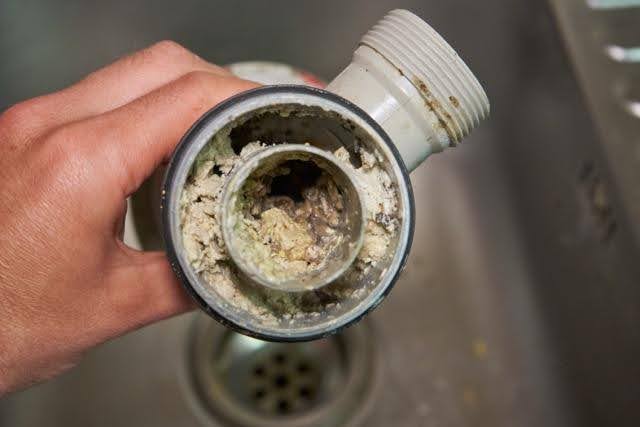
Clogged sewer drains are blockages in a home’s main wastewater line that prevent proper drainage. Grease buildup, tree roots, or foreign objects that have entered the pipe often cause these clogs. Professional sewer drain cleaning removes these obstructions, restoring flow and preventing costly water damage or backups.
Few home issues are more frustrating than slow or completely clogged sewer drains. What starts as a small gurgle or foul odor quickly turns into a messy, expensive emergency.
Across Utah and similar regions, shifting temperatures and aging infrastructure add extra stress to these systems. In this guide, you’ll learn what causes clogged sewer drains, step-by-step ways to fix them, and how regular sewer cleaning keeps your home safe, efficient, and odor-free.
Whether you’re dealing with a minor blockage or planning preventative maintenance, this guide provides practical, professional insight. Let’s dive in.
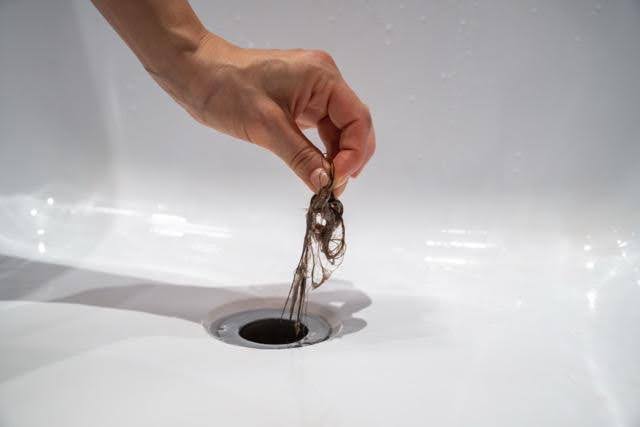
These clogs occur when wastewater cannot pass freely through your home’s main sewer line. Common causes include hair, grease, paper products, food waste, or invasive tree roots that break into underground pipes. Over time, these blockages cause slow drains, unpleasant odors, or even sewage backups in your bathtub or basement.
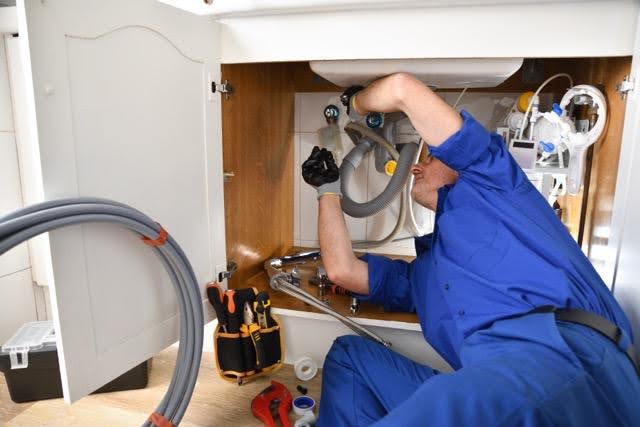
A homeowner in Spanish Fork noticed wastewater backing up into their basement shower. After a camera inspection, technicians discovered tree roots had infiltrated their main line. A hydro-jetting service removed the blockage and restored normal flow. They now schedule sewer drain cleaning twice a year to prevent regrowth.
Regular cleaning provides a range of short- and long-term benefits:
Proactive maintenance saves thousands of dollars over time compared to reactive clog removal.
Homeowners should schedule professional cleaning at least once a year to maintain their system's health. If your home has older pipes, large trees, or frequent clogs, consider semi-annual cleaning to prevent major blockages and costly backups.
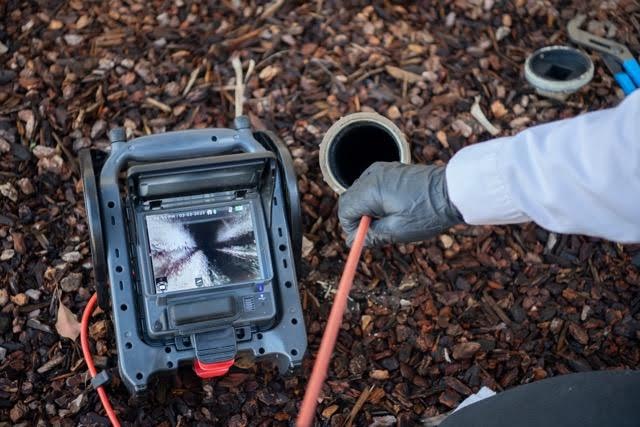
The most effective way to fix clogged drains is to remove debris using a plumbing auger or professional hydro-jetting service. Always follow the cleaning with a camera inspection to confirm the line is clear and free from hidden damage.
Yes. Tree roots often invade underground pipes through small cracks or joints, causing stubborn blockages and pipe damage. Regular inspections and preventive cleaning help detect root intrusion early, keeping your line flowing properly year-round.
Common signs of a mainline clog include multiple drains backing up at once, gurgling noises when flushing, or sewage odors near tubs and toilets. These warning signs suggest a blockage that needs prompt cleaning or inspection.
No. Chemical drain cleaners may provide short-term relief but corrodes older pipes, weaken seals, and release harmful fumes. It’s safer and more effective to use enzyme-based products or schedule professional cleaning for lasting results.
Regular professional cleaning prevents costly emergencies by catching buildup, cracks, and root intrusion early — before they cause major damage. Routine cleaning enhances flow efficiency, reduces the risk of backups, and prolongs the lifespan of your plumbing system, saving you hundreds (or even thousands) in future repair and water-damage restoration costs.
In northern Utah, where winter temperatures frequently drop below freezing, clogged drains often occur due to freeze–thaw cycles that expand and contract underground pipes. This constant movement causes cracks that allow soil and tree roots to invade the line.
In central areas like Utah County or the Wasatch Front, shifting soils and high clay content make older pipes especially vulnerable to misalignment and buildup of blockages.
In contrast, southern Utah experiences higher mineral content in its water supplies, leading to sediment accumulation that restricts flow and causes recurring clogs. Homes built before the 1980s are particularly at risk because many still rely on aging cast iron or clay pipes that corrode or crumble over time.
By investing in regular cleaning and inspections from Neighborly Plumbing, Utah homeowners can safeguard their systems against local conditions and enjoy year-round reliability.
Sewage issues rarely happen at a convenient time — and when they do, you need a team you trust to respond fast and fix the problem right the first time.
Neighborly Plumbing is your local expert for emergency cleanouts, routine sewer drain cleaning, and complete inspections. Our technicians utilize professional-grade tools and advanced camera technology to locate and remove blockages, minimizing unnecessary damage to your property.
Whether you’re dealing with slow drains, recurring clogs, or a complete blockage, we provide prompt service 24/7, ensuring your home remains clean, safe, and fully functional. Scheduling regular sewer cleaning with Neighborly Plumbing also helps prevent future problems, saving you time, money, and stress in the long run.
Protect your home and restore confidence in your plumbing system today. Call Neighborly Plumbing now or book your sewer cleanout online for fast, dependable service backed by local expertise and genuine care for your home and comfort.