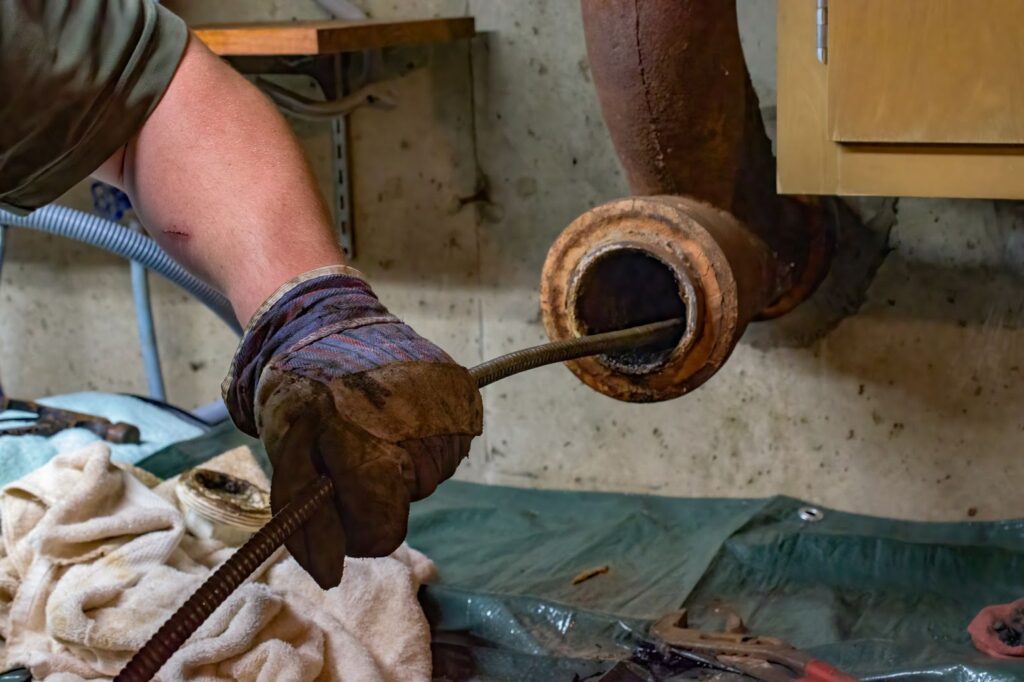
Mainline drain cleaning removes buildup, debris, and blockages from your home’s main sewer line before they cause major backups. Common signs you need drain cleaning include recurring clogs, slow drains, foul odors, gurgling sounds, and water backing up in multiple fixtures. Fast action helps homeowners avoid bigger plumbing problems and costly residential plumbing repairs.
Plumbing problems often start with small warning signs, but a blocked main sewer line can quickly turn into a messy and expensive issue. Many homeowners ignore slow drains or occasional backups until wastewater starts coming back into tubs, sinks, or toilets. That’s when a simple fix becomes a major headache.
In this guide, you’ll learn the most common signs that point to a clogged mainline, why quick drain cleaning matters, and how professional drain cleaning services help protect your home. If you want to avoid emergency calls and costly residential plumbing repairs, knowing these signs early makes a big difference.
When several warning signs appear at once, it’s often a sign that basic clog removal won’t solve the problem. Professional drain cleaning helps clear the blockage at its source and protects your home from more serious plumbing issues.
When more than one drain starts acting up at once, the issue usually goes beyond a single fixture. Since all your fixtures connect to the same line, a blockage there affects the whole system.
One of the strangest signs of a mainline clog is water appearing where it shouldn't. You flush the toilet, and the shower water rises. These problems occur because wastewater can’t flow through the main sewer line as it should, so it backs up through the lowest available opening.
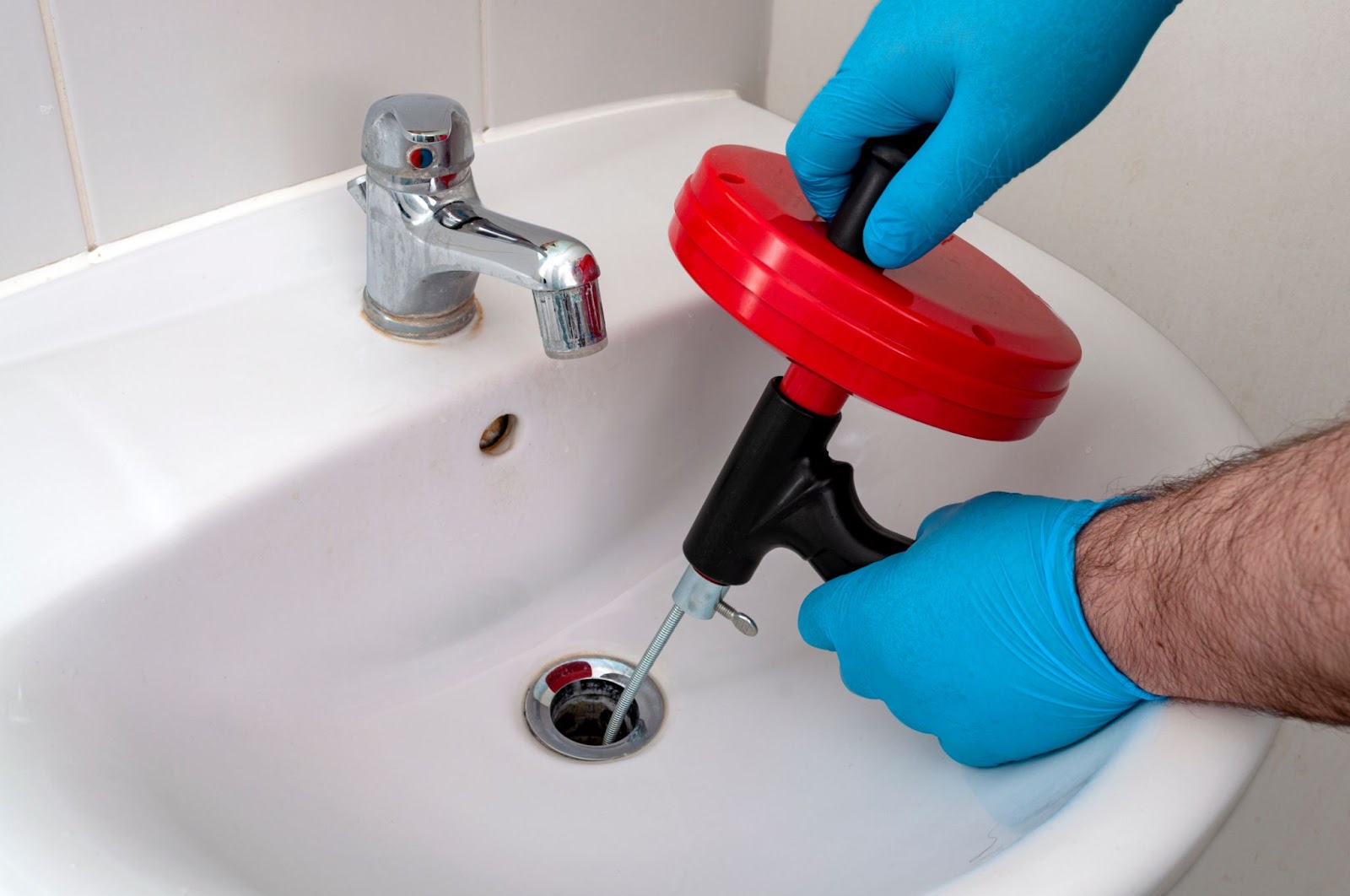
A single slow drain may mean hair, soap scum, or grease buildup near that fixture. But when several drains throughout the house start moving slowly at the same time, the issue often points to the mainline.
Your plumbing shouldn’t sound like it is struggling. Bubbling, gurgling, or sucking noises usually mean air is trapped in the system because wastewater isn’t flowing freely. A clog in the main sewer line disrupts normal drainage and creates pressure changes inside the pipes. Those sounds often occur before a full backup, making them an early warning sign to heed.
A healthy plumbing system should carry wastewater away from your home quickly and cleanly. If you start smelling sewage near drains, in the basement, or outside, something is wrong.
A toilet that backs up once may have a simple clog. A toilet that keeps backing up, even after plunging, may point to a problem much bigger than the toilet itself.
Floor drains in basements, laundry rooms, and utility spaces often reveal problems with the main sewer line before other fixtures do.
Because they sit low in the plumbing system, they become a natural exit point when wastewater can’t move through the line. If you notice standing water, dampness, or sewage odors around a floor drain, it may indicate that the mainline is partially blocked.
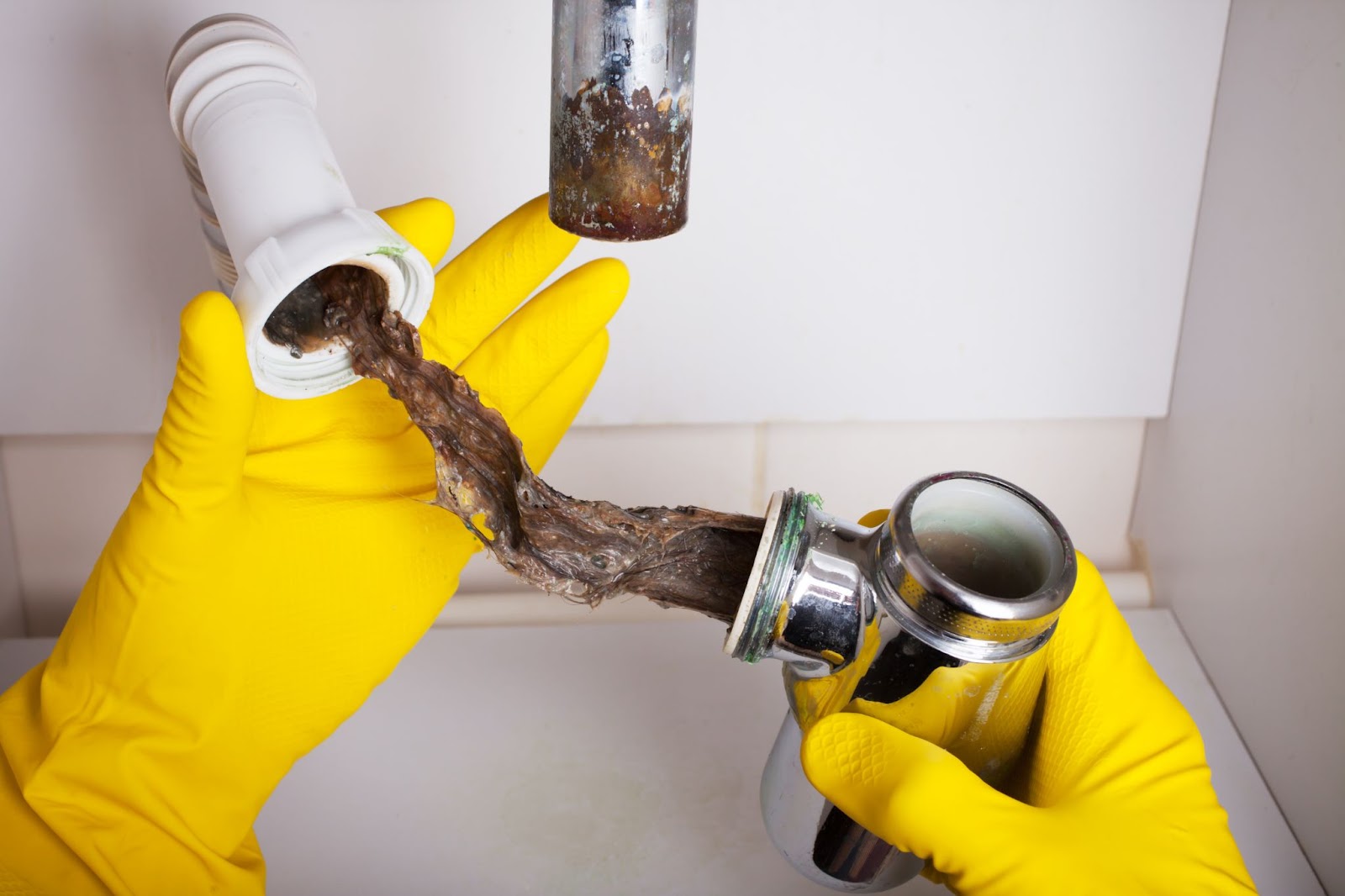
If you find yourself reaching for a plunger, drain cleaner, or snake every few weeks, the issue may not be going away at all. Temporary fixes often provide short-term relief while the deeper blockage continues to grow. Grease, sludge, wipes, and debris may still be sitting in the main sewer line, slowly restricting flow again after each quick fix.
At that point, repeated DIY work often costs more time and frustration than it saves. A professional inspection and proper drain cleaning provide homeowners with a better long-term solution and may help prevent major residential plumbing repairs later.
Some homes face a higher risk of main sewer line issues because of age, landscaping, or pipe material. Older sewer lines often develop cracks, weak joints, or rough interior surfaces that catch debris more easily. Homes with large, mature trees may also experience root intrusion, which occurs when roots grow toward moisture and enter the sewer line through tiny openings.
Once inside, they trap waste and create major blockages. If your home has older plumbing or large trees near the sewer line, regular plumbing services and preventive drain cleaning services may help you avoid serious problems.
Mainline clogs rarely fix themselves. Fast service protects your home, saves money, and helps you avoid a bigger plumbing emergency.
Homeowners can handle minor preventive measures, but major sewer line problems usually require specialized equipment and training.
Mainline drain cleaning removes buildup and blockages from the main sewer line that carries wastewater out of your home. It helps restore proper flow and prevents backups in multiple fixtures.
If several drains clog at once, you smell sewage, or water backs up in unexpected places, the problem likely involves the mainline and needs professional drain cleaning.
That depends on the age of the home, the extent of tree root exposure, and prior clog history. Many homeowners benefit from periodic drain cleaning services as preventive maintenance.
They might. Repeated clogs often signal a deeper blockage, root intrusion, or pipe damage. A professional inspection determines whether residential plumbing repairs are needed.
Usually not. Mainline blockages often require professional tools and plumbing services such as camera inspections, augers, or hydro jetting.
Main sewer line problems often start with subtle signs, but they can escalate quickly if you ignore them. Recognizing the warning signs early helps homeowners avoid backups, bad odors, and expensive residential plumbing repairs. Professional drain cleaning services from Neighborly Plumbing help keep your system flowing safely and efficiently.
If you need expert help, turn to Neighborly Plumbing for reliable plumbing services, professional inspections, and preventive drain cleaning to protect your home from bigger problems.