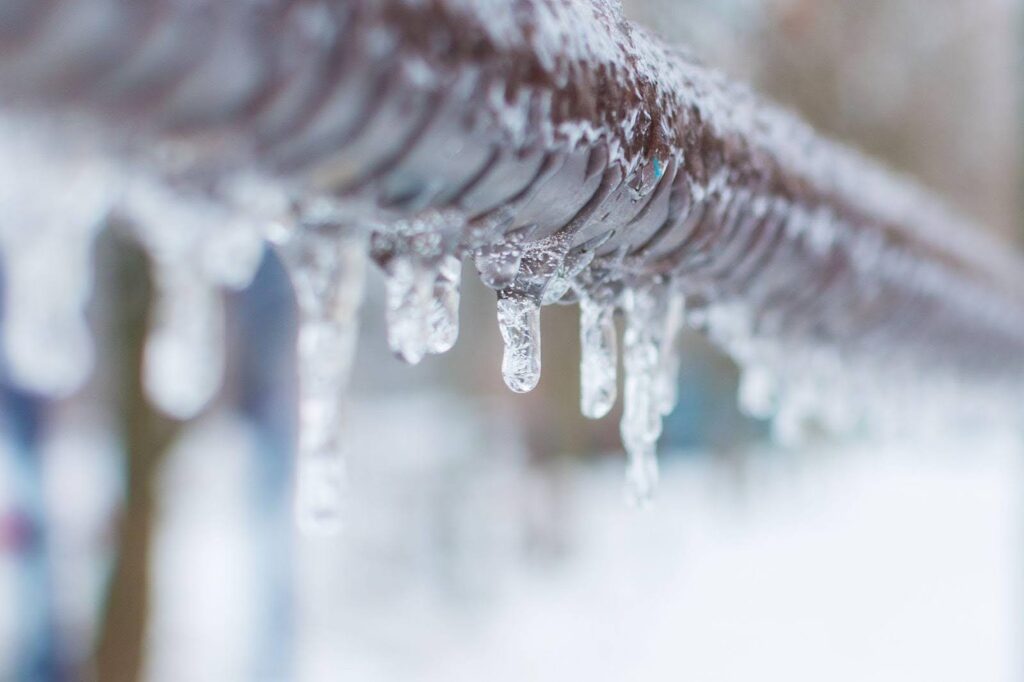
When temperatures drop, frozen pipes become one of the most stressful problems homeowners face. A single icy night can turn still water inside your pipes into expanding ice that blocks flow, cracks lines, and leads to sudden leaks or full bursts.
Those emergencies often require urgent help from a professional plumbing repair service, and the cleanup is both costly and time-consuming.
The good news is that most winter plumbing disasters are completely preventable. With a few simple steps and some thoughtful preparation, you can protect your home from frozen plumbing pipes long before freezing weather reaches its peak.
These tips take little time, cost very little, and save you a huge amount of stress during the coldest months of the year. Keep reading to learn more.
Pipes in unheated areas face the highest risk of freezing once temperatures drop. Basements, crawl spaces, garages, attics, and outdoor walls cool down fast in winter, and that cold air puts your plumbing at risk.
When the temperature inside a pipe drops low enough, the water inside starts to freeze and expand. That pressure is what leads to frozen plumbing pipes, cracks, or sudden bursts, causing expensive damage.
A simple way to avoid this problem is to insulate any exposed pipes before winter arrives. Foam pipe sleeves are affordable and simple to install. You slide them over the pipe and seal the edges to lock in warmth.
Heat tape is another option for high-risk areas. It wraps around the pipe and provides extra warmth during severe freezes. For older homes or pipes near drafty walls, fiberglass insulation provides an additional layer of protection, helping to maintain stable temperatures.
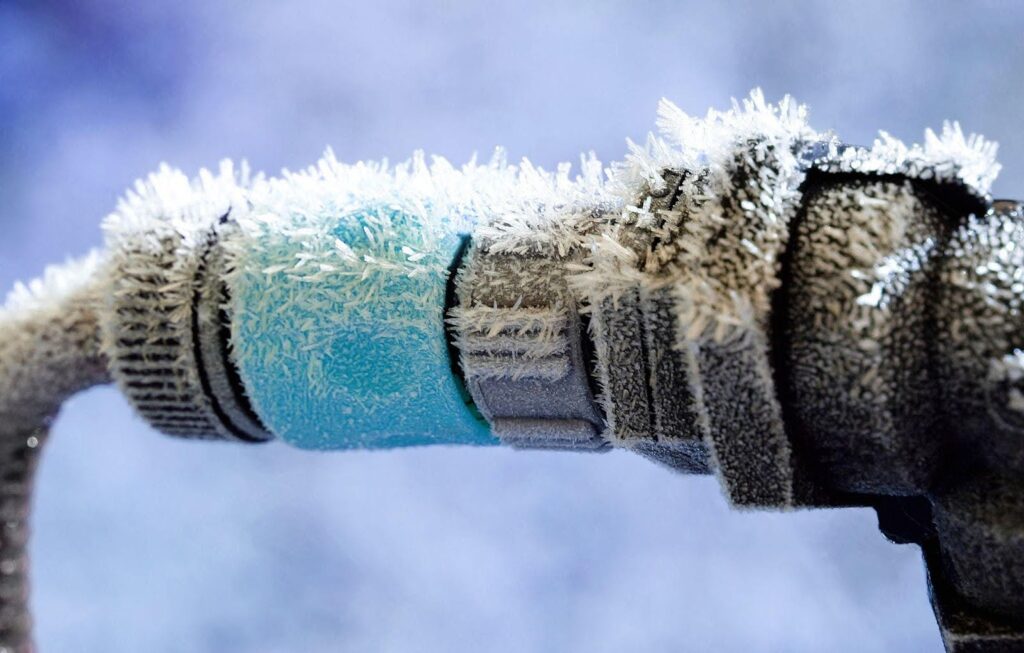
When the temperature inside your home drops too low, the cold spreads into walls, floors, and unheated spaces where plumbing runs. Once the air around those pipes gets cold enough, the water inside starts to freeze and expand. That’s when homeowners face cracked lines, leaks, and sudden bursts from frozen plumbing pipes.
To avoid that risk, keep your thermostat at a steady setting day and night. Most experts recommend keeping indoor temperatures above 55°F, even when you’re asleep or away from home.
Smart thermostats are another helpful tool. They maintain steady heat, send alerts if temperatures fall too low, and support energy savings while protecting your home. When paired with seasonal services from a local plumber, these minor adjustments create strong protection against winter damage.
When temperatures fall fast, standing water inside your pipes becomes more likely to freeze. One of the simplest ways to prevent that is to let certain faucets drip during extreme cold. Moving water freezes far more slowly than standing water, and even a slow, steady drip helps protect your plumbing from freezing.
Focus on faucets connected to pipes that run along exterior walls, crawl spaces, unheated basements, or garages. These areas cool down first, placing your plumbing at the highest risk.
Turning on the hot and cold taps slightly keeps water flowing through both supply lines, which lowers the chance of pressure buildup inside the pipes. That pressure is what causes frozen pipes to crack or burst.
During winter, warm air needs to reach every part of your home — especially areas where plumbing is behind walls or under fixtures. When cabinets and interior doors stay closed, heat can’t circulate well, and cold pockets form around unprotected pipes. Those cold pockets increase the chance of frozen plumbing pipes, especially in kitchens and bathrooms.
Opening cabinet doors under sinks allows warm air to move into those tight spaces. This simple step helps prevent frozen pipes connected to exterior walls, where temperatures drop the fastest. Even a few degrees of added warmth makes a huge difference during freezing weather.
The same idea applies to interior doors. Keeping them open helps heat travel evenly through hallways and utility areas. When warmth flows freely, your home maintains a more stable indoor temperature, reducing the risk of ice forming inside the pipes.
Outdoor plumbing is one of the first areas to freeze when temperatures drop. Garden hoses, exterior spigots, and outdoor supply lines hold water that will quickly turn into ice. When that ice expands, it pushes pressure back into the connected indoor pipes, creating a major risk for frozen plumbing pipes and costly bursts inside the home.
Before the first hard freeze, disconnect every outdoor hose and drain them completely. Leaving a hose attached traps water inside the faucet and the connecting pipe. That trapped water freezes fast, and the added pressure leads to frozen pipes in the interior walls. Once you remove the hoses, store them indoors to protect them from cracking during winter.
Next, shut off the water supply to outdoor spigots. Most homes have interior shutoff valves located in the basement, garage, or utility room. After turning off the supply, open the exterior faucet to allow any remaining water to drain completely. This step keeps the line empty, which prevents freezing and gives you peace of mind during severe cold snaps.
If your home has an irrigation system, schedule a professional blowout to clear water from the lines. Even a small amount of leftover water creates ice blockages and damages the system.
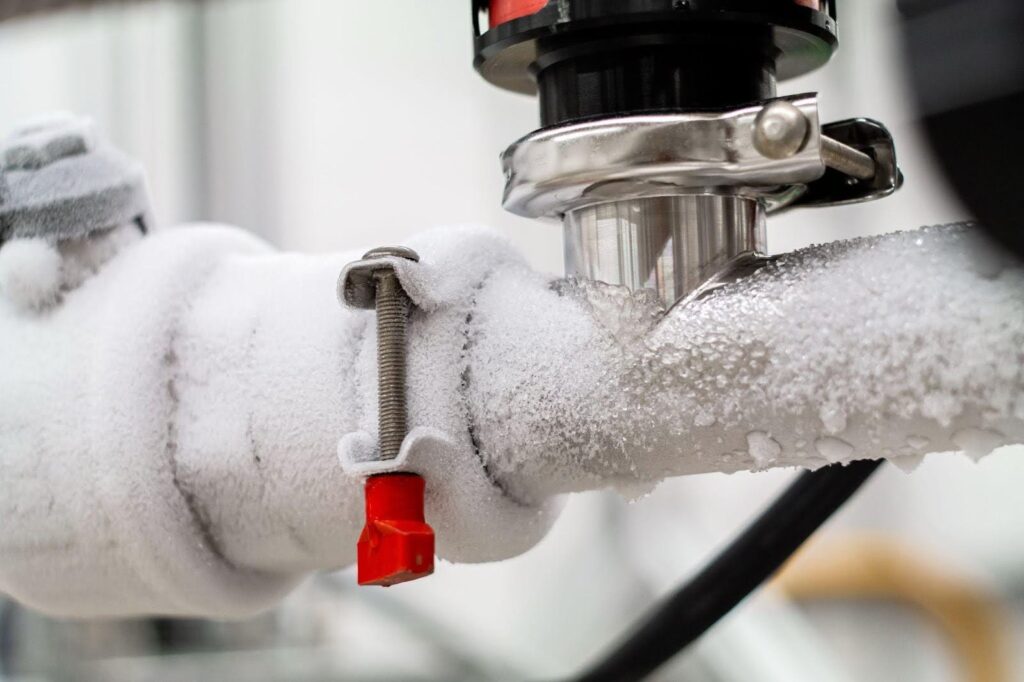
Cold air almost always finds a way into your home through tiny gaps around windows, doors, and foundation openings. Those small drafts create cold pockets that rapidly drop temperatures, especially in areas where plumbing runs through walls or floors. When the temperature around those pipes dips too low, you face a high risk of frozen plumbing pipes and sudden bursts.
Start by checking the most common draft points: window frames, exterior doors, attic access panels, crawl space vents, and gaps where plumbing enters the home.
Even a narrow gap will funnel icy air directly onto nearby pipes, causing them to freeze during harsh winter nights. Sealing these spots with weather stripping, foam insulation, or caulk strengthens your home’s protection and helps hold warm air inside.
Insulating weak areas also boosts energy efficiency. Wall cavities, basements, and crawl spaces often lose warmth quickly, placing your plumbing at greater risk.
Adding insulation slows heat loss and maintains stable temperatures, especially around pipes hidden behind drywall or tucked into corners. This small upgrade reduces the likelihood of freezing and lowers your heating bills at the same time.
Winter plumbing problems develop quickly. The safest way to protect your home is to stay prepared and work with experts who know how to prevent and repair frozen plumbing pipes before they cause trouble.
If you need professional guidance, seasonal maintenance, or assistance with securing vulnerable areas, contact Neighborly Plumbing for reliable plumbing services. Whether you need insulation upgrades, a winter inspection, or full-on plumbing repair service, a licensed plumbing repair service keeps your system safe throughout the entire season.
Contact Neighborly Plumbing today to schedule your winter plumbing services and keep your home protected from frozen pipes, bursts, and costly winter damage.